The Allure of 'Luxury' and the Harsh Reality
The world of luxury perfume is often shrouded in mystique, with gleaming bottles, exotic ingredients, and compelling marketing narratives promising an unparalleled olfactory experience. However, beneath the polished facade, not all that glitters is gold. According to many industry experts, perfumers, and fragrance enthusiasts, a significant number of 'luxury' brands are, in fact, little more than overpriced junk, leveraging high markups and clever branding rather than genuine quality or artistry.
This article delves into four common archetypes of 'luxury' perfume brands that frequently fall under expert scrutiny, revealing why their exorbitant price tags often fail to justify their actual value.
1. The Marketing-Driven Mirage: All Hype, No Substance
Some brands invest heavily in glossy advertising campaigns, celebrity endorsements, and opulent packaging, creating an illusion of exclusivity and sophistication. While the presentation is flawless, the actual fragrance inside often disappoints. Experts note that these perfumes frequently:
- Utilize generic formulations: The scents might be pleasant but lack originality or complexity, often mimicking popular trends rather than innovating.
- Contain inexpensive synthetic ingredients: Despite claims of rare essences, the dominant notes are often common, mass-produced aroma chemicals.
- Prioritize shelf appeal over longevity: The focus is on the initial impression, with the scent fading rapidly, leaving users feeling shortchanged.
The high price reflects marketing spend and brand cachet, not the quality or concentration of the aromatic compounds.
2. The 'Niche' Imposter: Overpriced Commonality
The niche fragrance market was born from a desire for unique, artistic scents, distinct from mainstream offerings. However, this segment has also attracted opportunists. Certain 'niche' brands are criticized for:
- Exorbitant pricing for common materials: They may use readily available, even budget-friendly, synthetic or natural ingredients, yet charge premium prices under the guise of 'artisan' or 'exclusive' blends.
- Lack of true innovation: While marketed as avant-garde, their creations often recycle familiar accords or offer only marginal variations on existing popular scents.
- Poor performance-to-price ratio: For their high cost, these perfumes may exhibit weak projection or poor longevity, failing to deliver the expected luxury experience.
True niche perfumery offers unique artistry; its imposters offer only inflated prices for unremarkable compositions.
3. The Diluted Designer: Trading Quality for Quantity
Even some established designer brands, particularly those with extensive portfolios, are called out by experts for declining quality. As brands expand, the pressure to produce new releases quickly and cost-effectively can lead to compromises:
- Reduced concentration of key oils: Newer formulations might contain a lower percentage of fragrant compounds, leading to weaker performance (sillage and longevity) compared to older iterations or competitors.
- Emphasis on mass appeal: Scents are often 'smoothed out' to appeal to the broadest possible audience, losing any distinctive character or complexity.
- Focus on flankers: Rather than creating truly new concepts, brands churn out numerous 'flankers' (variations of existing successful scents), often with minimal distinction, diluting the perceived value.
The 'designer' label alone no longer guarantees superior quality; often, it guarantees mass appeal at a high price point.
4. The 'Exclusive' Ingredient Gimmick: Misdirection and Markup
Some brands build their entire narrative around a single 'rare' or 'exclusive' ingredient, justifying astronomical prices. While rare ingredients exist, experts caution that:
- The 'rarity' is often exaggerated: Many 'exclusive' ingredients are either synthetic replicas, available from multiple suppliers, or used in such minuscule amounts that their impact is negligible.
- Cost doesn't equal quality: An expensive raw material, if not expertly blended or used appropriately, does not automatically result in a superior fragrance. The skill of the perfumer is paramount.
- Marketing overshadows artistry: The story of the ingredient becomes more important than the actual scent experience, diverting attention from the overall composition and performance.
Discerning buyers understand that the true value lies in the final composition's harmony and performance, not just a single hyped component.
How to Spot True Value in Luxury Perfume
To avoid overpriced junk, experts recommend:
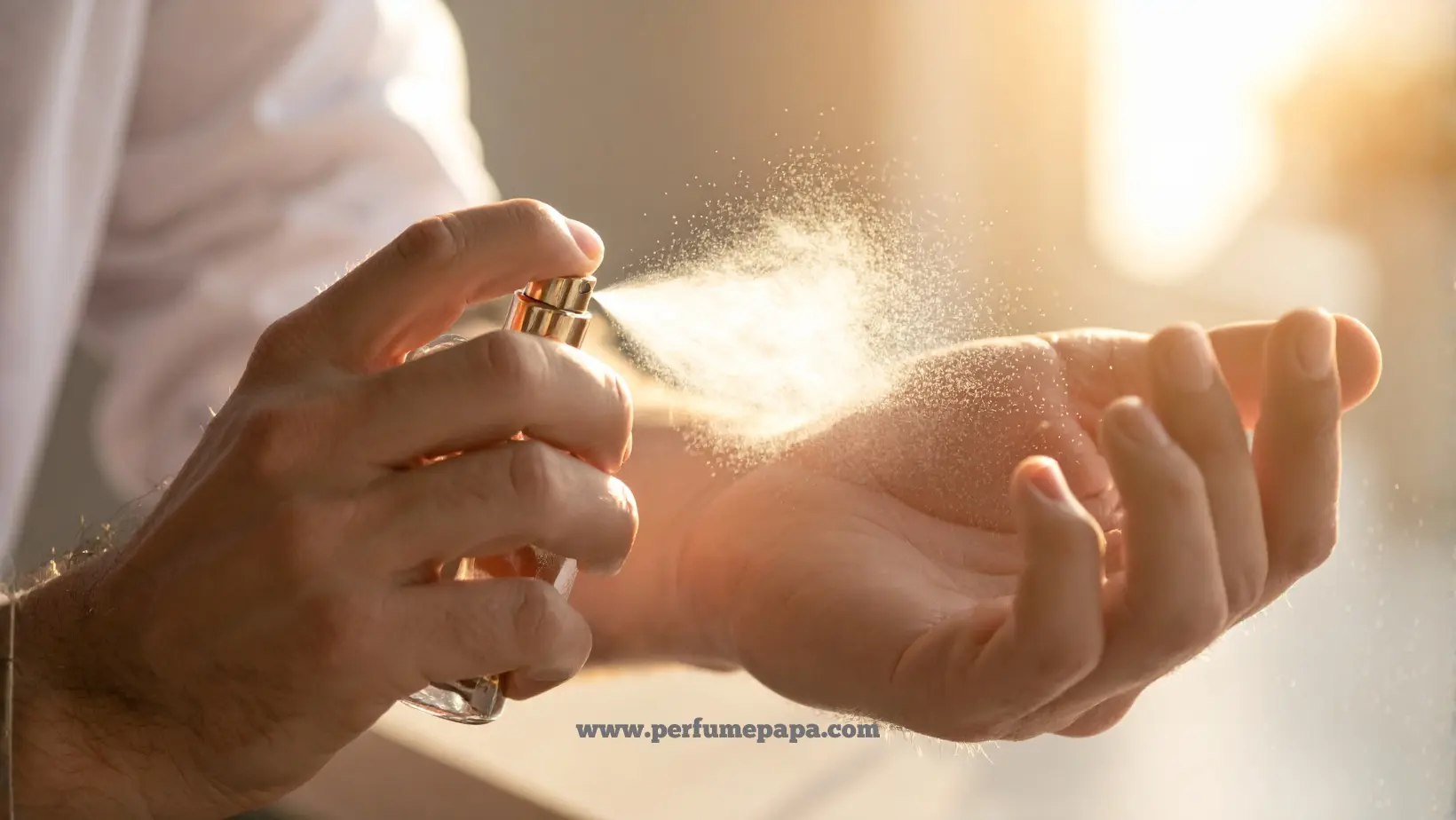
- Test on skin: Always sample perfumes on your skin to assess longevity and how the scent develops over time.
- Research ingredients and perfumers: Look beyond marketing claims and learn about the brand's commitment to quality and the perfumer's reputation.
- Read independent reviews: Consult fragrance communities and reputable reviewers for unbiased opinions on performance and uniqueness.
- Educate your nose: Develop your olfactory palate by smelling various compositions, learning to identify quality and originality.
- Consider concentration: While not the only factor, a higher concentration (e.g., EDP, Parfum) generally indicates better longevity, but should be balanced with the overall scent profile.
Ultimately, true luxury in perfume is about artistry, quality ingredients, and a captivating scent journey that justifies its price, not merely a high price tag itself.