The Scent of Concern: Can Perfumes Influence Thyroid Function?
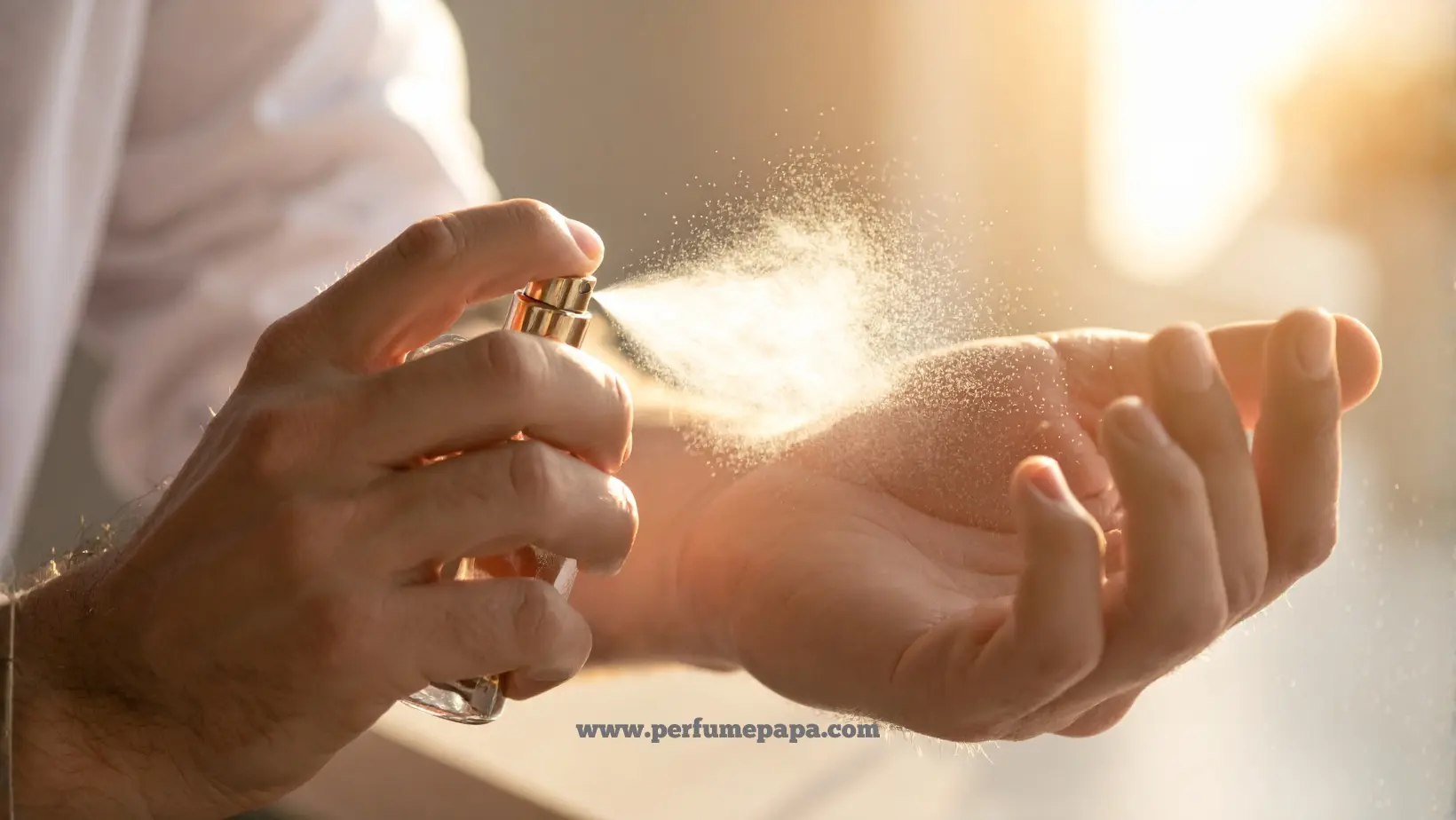
For many, a daily spritz of perfume is an integral part of their routine, enhancing personal expression and confidence. However, beneath the captivating aromas, there's a growing conversation about the potential health implications of certain chemical compounds found in these beloved fragrances, particularly concerning their influence on the thyroid gland.
The thyroid, a small butterfly-shaped gland located in the neck, plays a crucial role in regulating metabolism, energy levels, body temperature, and overall growth and development. Its proper function is vital for well-being, and any disruption can have significant health consequences.
Unmasking the Chemical Cocktail in Fragrances
The term "fragrance" on an ingredient list often represents a complex mixture of dozens, sometimes hundreds, of undisclosed chemicals. Many of these are synthetic compounds, and some have raised flags among health researchers due to their classification as potential endocrine-disrupting chemicals (EDCs).
Key Chemical Culprits Under Scrutiny:
- Phthalates: Often used to make fragrances last longer, phthalates like diethyl phthalate (DEP) have been widely studied for their potential to interfere with hormone systems, including the thyroid. Research suggests that exposure to certain phthalates may be associated with altered thyroid hormone levels.
- Parabens: While more commonly found in cosmetics as preservatives, some fragrance formulations may contain parabens, which are also recognized as potential endocrine disruptors.
- Synthetic Musks: Chemicals like galaxolide and tonalide, used to create persistent scent notes, have been detected in human tissues and the environment, leading to concerns about their long-term health effects and potential endocrine activity.
- Other Volatile Organic Compounds (VOCs): A broad category of chemicals, some VOCs in perfumes can interact with the body in various ways, though direct thyroid impacts are still an area of ongoing research.
How Endocrine Disruptors May Affect the Thyroid
Endocrine-disrupting chemicals can interfere with the thyroid in several ways:
- Mimicking or Blocking Hormones: Some EDCs can bind to hormone receptors, either mimicking the natural hormones or blocking their action, leading to an over- or under-stimulation of the thyroid pathway.
- Altering Hormone Synthesis: They can interfere with the enzymes involved in producing thyroid hormones.
- Changing Hormone Transport or Metabolism: EDCs might affect how thyroid hormones are transported in the bloodstream or how quickly they are broken down and excreted from the body.
- Impacting Gland Structure: In some cases, prolonged exposure could potentially affect the physical structure or function of the thyroid gland itself.
The Scientific Landscape: What Research Says
While definitive conclusions linking perfume use directly to thyroid disease in humans require further extensive research, a growing body of evidence from animal studies and human epidemiological observations suggests a correlation between exposure to specific EDC components found in fragrances and thyroid function alterations. Many studies point to the cumulative effect of daily exposure from multiple sources, not just perfumes alone, as a significant concern.
Navigating Fragrance Choices: What Consumers Can Do
For individuals concerned about potential thyroid implications, several proactive steps can be taken:
- Choose "Fragrance-Free" or "Unscented": Be aware that "unscented" products may still contain masking fragrances. Look specifically for "fragrance-free" labels.
- Read Ingredient Lists: Opt for products with transparent ingredient lists and avoid those that simply state "fragrance" or "parfum."
- Opt for Natural Fragrances: Consider perfumes made with essential oils (though even these can cause sensitivities) or botanical extracts, ensuring they are free from synthetic additives.
- Reduce Overall Exposure: Minimize the use of highly fragranced personal care products, cleaning supplies, and air fresheners to lower your total chemical burden.
- Support Research: Stay informed about ongoing scientific research and advocate for greater transparency and regulation in the fragrance industry.
Conclusion: A Call for Caution and Clarity
The intricate relationship between the chemicals in perfumes and human health, particularly thyroid function, is a complex and evolving area of scientific inquiry. While more targeted research is needed to establish direct causal links in humans, the precautionary principle suggests that mindful choices regarding fragrance exposure could contribute to better endocrine health. As consumers, staying informed and opting for products with greater ingredient transparency is a powerful step towards protecting our delicate hormonal balance.