Introduction: The Scent of Concern
In an increasingly health-conscious world, consumers are scrutinizing everything they put on and in their bodies. Perfumes, once considered innocuous personal care items, are now under the microscope, with many asking: does perfume affect the thyroid gland?
The thyroid, a small butterfly-shaped gland located at the base of your neck, plays a pivotal role in regulating metabolism, energy levels, and hormone production. Given its critical functions, any potential disruptors warrant careful investigation. This article explores the current understanding of the relationship between common fragrance ingredients and thyroid health.
The Thyroid Gland: A Master Regulator
Before diving into the potential effects of external factors, it's essential to understand the thyroid's importance. It produces two main hormones, triiodothyronine (T3) and thyroxine (T4), which influence nearly every cell in the body. Proper thyroid function is crucial for:
- Metabolism and weight management
- Energy levels and mood
- Heart rate and body temperature
- Brain development and function
- Bone health and muscle strength
Disruptions to this delicate balance can lead to conditions like hypothyroidism (underactive thyroid) or hyperthyroidism (overactive thyroid), both of which can significantly impact quality of life.
What Are Perfumes Made Of? The Chemical Cocktail
Modern perfumes are complex formulations, often containing dozens or even hundreds of chemical compounds. While some ingredients are natural essential oils, the majority in conventional perfumes are synthetic. Key components typically include:
- Fragrance Compounds: A proprietary blend of aromatic chemicals, often simply listed as "fragrance" or "parfum" on labels. This single term can hide numerous individual chemicals.
- Solvents: Typically alcohol-based, like ethanol, to dissolve and dilute the fragrance oils.
- Fixatives: Ingredients that help the scent last longer, such as phthalates.
- Preservatives: To prevent spoilage and bacterial growth, often including parabens.
It's these synthetic fragrance chemicals, particularly those known as endocrine-disrupting chemicals (EDCs), that have raised concerns regarding their potential impact on hormone systems, including the thyroid.
The Link Between Fragrances and Endocrine Disruption
What are Endocrine-Disrupting Chemicals (EDCs)?
EDCs are chemicals that can interfere with the body's endocrine (hormone) system, potentially leading to adverse developmental, reproductive, neurological, and immune effects. They can:
- Mimic natural hormones (like estrogen or thyroid hormones).
- Block hormone receptors, preventing natural hormones from acting.
- Alter the synthesis, transport, metabolism, or excretion of hormones.
When it comes to the thyroid, EDCs are concerning because they can potentially interfere with the synthesis and metabolism of thyroid hormones, as well as their transport and action at target cells.
Key Chemicals of Concern in Perfumes
- Phthalates: Often used as solvents and fixatives in perfumes, phthalates (e.g., diethyl phthalate or DEP) are well-researched EDCs. Studies have linked certain phthalates to altered thyroid hormone levels, particularly in pregnant women and children. They are thought to interfere with thyroid hormone synthesis and metabolism.
- Parabens: While more commonly found in lotions and cosmetics as preservatives, some perfumes may also contain parabens. They are known to mimic estrogen and have been linked to various endocrine disruptions, though direct, strong evidence specifically on thyroid function from perfume exposure is less conclusive than for phthalates.
- Synthetic Musks: Some synthetic musk compounds (e.g., galaxolide, tonalide) used in fragrances have also been identified as potential EDCs. Research suggests they may accumulate in the body and could interact with hormone systems.
- Other VOCs (Volatile Organic Compounds): Many fragrance ingredients are VOCs, which can be irritating and potentially toxic, though their direct link to thyroid disruption is still under active research.
Scientific Evidence and Research on Perfume and Thyroid
While the direct, definitive causal link between wearing perfume and developing a thyroid disorder is complex and still being researched, there is a growing body of evidence on the effects of specific chemical ingredients found in perfumes on thyroid function.
- Several epidemiological studies have observed associations between exposure to phthalates (detected in urine) and changes in thyroid hormone levels, particularly reductions in TSH (Thyroid-Stimulating Hormone) and T4, though results can vary by population and specific phthalate.
- Animal studies have shown more direct evidence of various EDCs interfering with thyroid hormone synthesis and metabolism.
- The challenge lies in attributing these effects specifically to perfume use rather than the cumulative exposure from a multitude of consumer products containing these same chemicals. Perfume contributes to a person's total exposure burden.
It's important to note that regulatory bodies like the FDA in the US generally classify "fragrance" as a trade secret, meaning manufacturers don't have to disclose individual ingredients. This lack of transparency makes it difficult for consumers to identify and avoid specific problematic chemicals.
Minimizing Potential Risks: Practical Advice
For those concerned about the potential impact of perfume on their thyroid health and overall well-being, several steps can be taken:
- Choose "Fragrance-Free" or "Unscented": Look for products explicitly labeled "fragrance-free," as "unscented" can sometimes mean chemicals were added to mask odors.
- Opt for Natural Fragrances: Consider perfumes made with pure essential oils and natural extracts, ensuring they are free from synthetic additives. Be aware that even natural essential oils can cause sensitivities in some individuals.
- Read Labels Carefully: While "fragrance" itself is vague, some brands are now more transparent about specific ingredients or highlight the absence of phthalates and parabens.
- Reduce Overall Exposure: Since chemicals like phthalates are ubiquitous, minimizing exposure in other areas (e.g., plastic food containers, certain personal care products) can help reduce the cumulative burden.
- Ventilate Spaces: Ensure good ventilation when using any fragranced products.
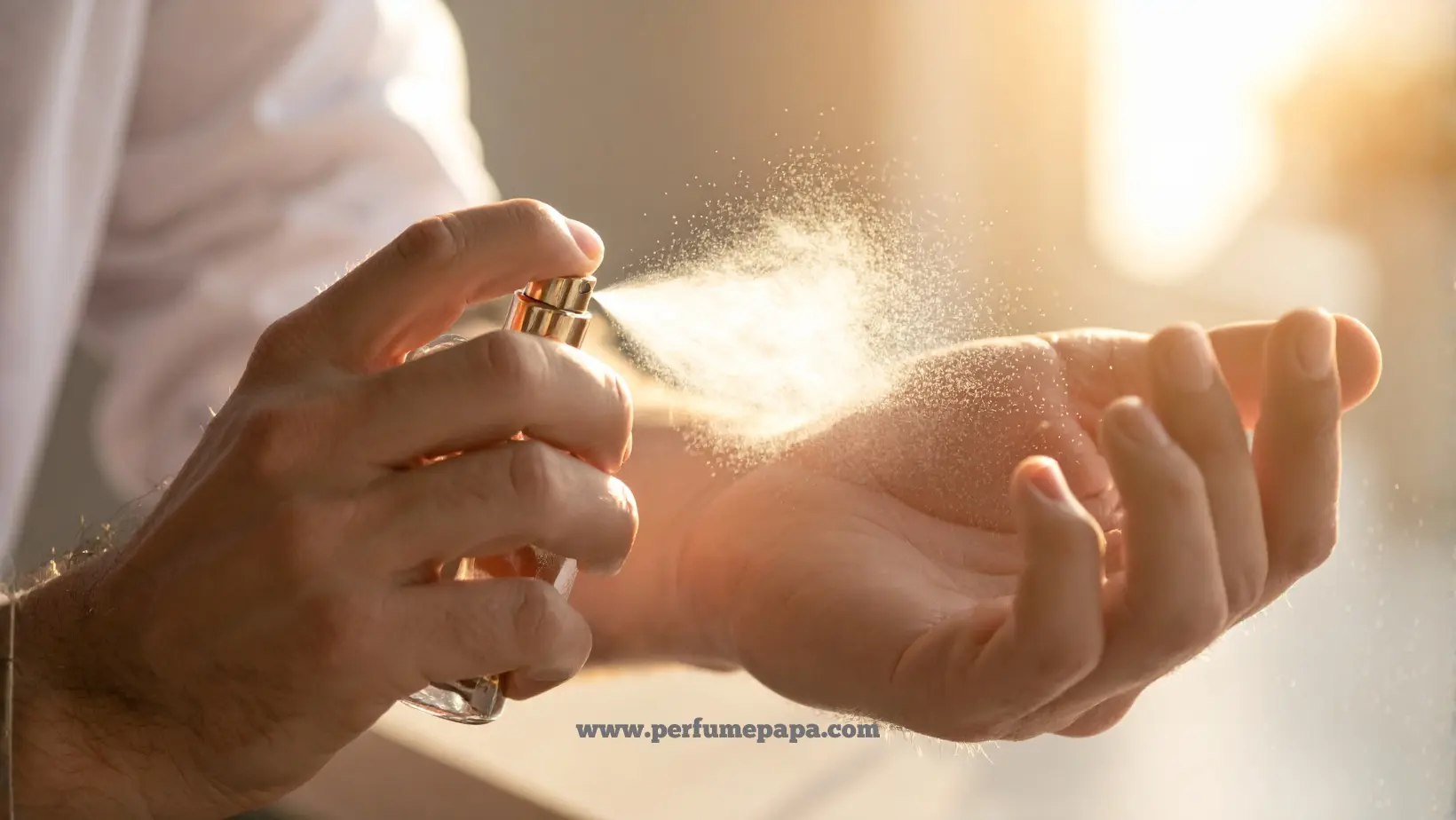
- Spray on Clothing, Not Skin: While not a perfect solution, spraying perfume on clothing rather than directly on the skin might reduce direct dermal absorption.
Conclusion: A Balanced Perspective
While the science linking perfume directly to thyroid disease is still evolving and complex due to the multitude of factors influencing thyroid health, the evidence regarding specific fragrance ingredients as endocrine disruptors is significant. Chemicals like phthalates and parabens, commonly found in synthetic perfumes, have demonstrated the ability to interfere with hormone systems, including aspects of thyroid function.
As consumers, remaining informed and making conscious choices about the products we use is empowering. Opting for natural, transparently labeled, or fragrance-free alternatives can be a proactive step towards supporting overall endocrine health, including the vital thyroid gland.