Introduction: The Thyroid Gland and Its Vital Role
The thyroid, a small butterfly-shaped gland located at the base of your neck, plays an outsized role in your overall health. It produces hormones—primarily thyroxine (T4) and triiodothyronine (T3)—that regulate metabolism, energy levels, heart rate, body temperature, and even mood. When the thyroid is out of balance, it can lead to a host of issues, from fatigue and weight changes to more severe health problems.
The Allure of Fragrance: What's in Your Perfume?
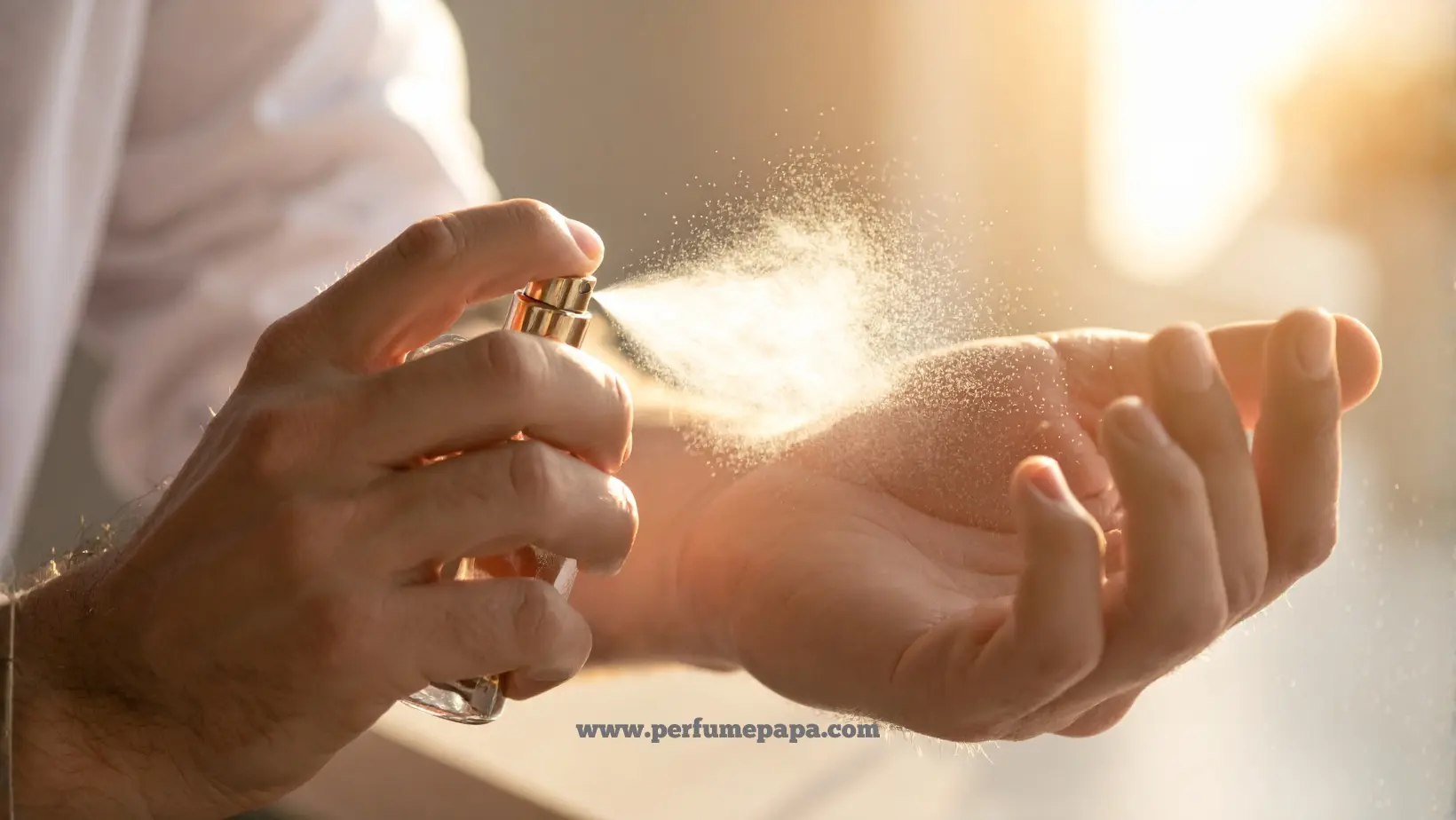
Perfumes are an integral part of many people's daily routines, offering a touch of personal expression and sensory pleasure. However, the captivating scents we enjoy are often the result of complex chemical formulations, many of which remain undisclosed under the "fragrance" umbrella due to trade secret laws. While many ingredients are harmless, some have raised concerns among scientists and health advocates.
Common Ingredients of Concern
- Phthalates: Often used as solvents to help fragrances last longer and to make plastics more flexible, some phthalates (like diethyl phthalate, DEP) are commonly found in perfumes.
- Parabens: These preservatives are used in many cosmetics and personal care products, including some perfumes, to prevent the growth of bacteria and mold.
- Synthetic Musks: Chemicals like galaxolide and tonalide are used to create specific fragrance notes and enhance longevity. They are known to be persistent in the environment and can accumulate in the body.
- Other Undisclosed "Fragrance" Chemicals: The term "fragrance" can encompass hundreds of different chemicals, some of which may be sensitizers or have other potential health effects, without being individually listed.
Endocrine Disrupting Chemicals (EDCs) and Thyroid Health
A primary area of concern regarding certain perfume ingredients is their classification as Endocrine Disrupting Chemicals (EDCs). EDCs are exogenous substances or mixtures that alter the function(s) of the endocrine system and consequently cause adverse health effects in an intact organism, or its progeny, or (sub)populations. The endocrine system includes glands like the thyroid, pituitary, and adrenal glands, which produce hormones vital for bodily functions.
EDCs can interfere with the thyroid in several ways: by mimicking or blocking thyroid hormones, altering their synthesis or metabolism, or disrupting the transport of these hormones in the body. Such interference can potentially lead to conditions like hypothyroidism (underactive thyroid) or hyperthyroidism (overactive thyroid), or affect thyroid function without causing overt disease.
Diving Deeper: Specific Chemicals and Their Suspected Impact
Phthalates: A Known Suspect
Studies have linked exposure to certain phthalates with alterations in thyroid hormone levels in both human and animal studies. For instance, research has shown associations between higher levels of phthalate metabolites in urine and changes in TSH (thyroid-stimulating hormone) and thyroid hormone concentrations. While more research is needed to establish a direct causal link between perfume-specific phthalate exposure and clinical thyroid disease, the potential for endocrine disruption is a significant area of investigation.
Parabens: Preservatives with a Twist
Like phthalates, parabens have demonstrated weak estrogenic activity in some studies, leading to their classification as potential EDCs. While their impact on the thyroid specifically is less extensively studied compared to their estrogenic effects, the general principle of endocrine disruption raises concerns about their cumulative effect from various personal care products.
Synthetic Musks: The Lingering Question
Synthetic musks, particularly polycyclic musks, have been detected in human tissues, including breast milk, and are known for their persistence in the environment. While direct evidence linking them unequivocally to thyroid disruption in humans is still emerging, some laboratory studies have indicated potential interference with hormone systems. Their widespread use and bioaccumulative nature warrant continued investigation.
What Does the Science Say? The Current State of Research
It's important to note that the scientific community is still actively researching the precise relationship between perfume chemicals and human thyroid health. While laboratory and epidemiological studies have identified potential associations between individual EDC exposures and thyroid hormone alterations, conclusively linking everyday perfume use directly to thyroid disease in the general population is complex.
Many factors influence thyroid health, including genetics, diet, stress, and exposure to a multitude of environmental chemicals. Therefore, isolating the specific impact of perfume alone is challenging. However, the cumulative exposure to EDCs from various sources, including personal care products, is a growing concern, prompting many health organizations to advocate for a precautionary approach.
Navigating Your Choices: Recommendations for Consumers
For those concerned about potential impacts on thyroid health, making informed choices about personal care products can be empowering:
- Opt for "Fragrance-Free" or "Phthalate-Free": Look for products explicitly labeled as such. Be aware that "unscented" can sometimes mean chemicals have been added to mask natural odors.
- Read Ingredient Lists: Prioritize brands that offer transparent ingredient disclosures. The fewer the ingredients and the more understandable they are, often the better.
- Consider Natural Alternatives (with caution): Some individuals prefer essential oil-based fragrances. However, "natural" does not always equate to "safe," as some essential oils can be sensitizers or allergens. Always patch test and research specific oils.
- Reduce Overall Exposure: Limit the number of scented products you use daily, not just perfumes. This includes lotions, cleaning products, and air fresheners.
- Consult a Healthcare Professional: If you have concerns about your thyroid health, or suspect you're experiencing symptoms, always consult with a doctor or endocrinologist for proper diagnosis and advice.
Conclusion: An Ongoing Conversation
While the definitive link between perfume and thyroid disease requires further extensive research, the existing body of evidence regarding endocrine-disrupting chemicals warrants attention. As consumers, understanding the potential risks and making conscious choices about the products we use can contribute to better personal health. The conversation around chemical safety in personal care products is evolving, highlighting the importance of continued scientific inquiry and industry transparency.