
The Scent of Silence: Kannauj's Fading Eid Rush
Kannauj, often hailed as the 'Perfume Capital of India,' is renowned globally for its exquisite 'ittar' – natural, distilled fragrances free from alcohol. For generations, this quaint town in Uttar Pradesh has been a vibrant hub, especially during the festive season of Eid, when demand for its unique perfumes skyrockets. However, this year, the usual pre-Eid frenzy has given way to a palpable quiet, a somber mood permeating the narrow lanes usually bustling with merchants and customers. The culprit? Distant wars and global conflicts that are sending ripples through the intricate supply chain of essential raw materials, ultimately dimming the fragrance of prosperity in Kannauj.
A Legacy in Every Drop: The Ittar Tradition
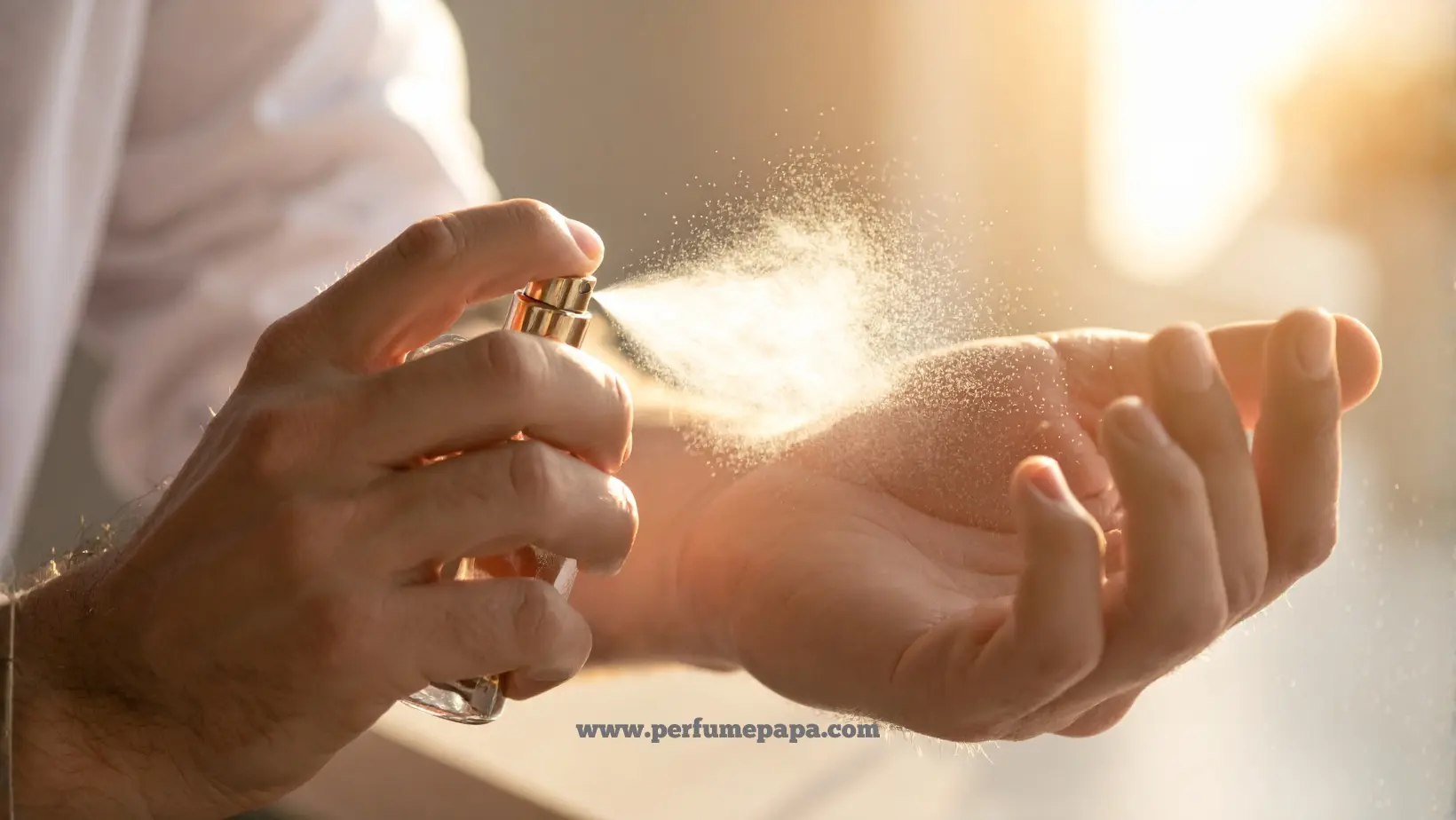
Ittar making in Kannauj is an ancient craft, passed down through families for centuries. Using traditional 'deg-bhapka' distillation methods, artisans extract fragrant oils from flowers like roses, jasmine, and mehndi, as well as exotic woods and spices. These natural perfumes are more than just scents; they are a cultural artifact, deeply intertwined with Indian traditions, spiritual practices, and, notably, the celebration of Eid. For many, applying ittar is an integral part of their festive preparations, a symbol of purity and celebration.
The Economic Pulse: Eid Rush and Its Importance
The weeks leading up to Eid are traditionally the most lucrative for Kannauj's ittar manufacturers and sellers. This period witnesses a significant surge in demand, with both domestic and international buyers stocking up on their favorite scents. The Eid rush provides a vital economic boost, sustaining thousands of families involved in cultivation, distillation, packaging, and sales. It's a time when workshops operate round-the-clock, and the air is thick with the sweet aroma of potential prosperity. The current halt in this crucial period signals deep economic distress for the town.
Global Conflicts Cast a Shadow on Fragrance
Raw Material Squeeze: The Cost of War
The ittar industry is heavily dependent on a steady supply of high-quality raw materials, many of which are sourced internationally or are affected by global market dynamics. The ongoing conflicts, particularly those impacting crucial trade routes and oil-producing regions, have led to a severe disruption in this supply chain. This disruption manifests in several ways:
- Exorbitant Prices: The cost of essential ingredients like sandalwood oil (often imported or heavily regulated), ambergris, and even carrier oils has soared due to increased shipping costs, insurance premiums, and scarcity.
- Supply Shortages: Geopolitical tensions have made it difficult to procure certain rare floral extracts or fixatives from specific regions.
- Logistical Hurdles: Delays at ports, increased bureaucratic complexities, and reduced shipping capacities further compound the problem, making timely procurement a nightmare.
Artisans and manufacturers, already operating on thin margins, find it increasingly difficult to absorb these escalating costs. Passing them entirely onto consumers risks losing market share, while not doing so threatens their very existence.
Local Artisans Bear the Brunt
The downturn has hit the heart of Kannauj's economy: its skilled artisans and small business owners. Many have seen their orders dwindle, forcing them to scale back production, lay off workers, or even consider shutting down. The fear is palpable that if the situation persists, this ancient craft, and the livelihoods it supports, could face irreversible damage. The cultural significance of ittar during Eid is not just about the fragrance; it's about the celebration of community and tradition, both of which are under threat.
Navigating the Future: A Call for Resilience
The fading fragrance of Eid in Kannauj serves as a stark reminder of how interconnected global events are, even impacting localized traditional industries. The town's ittar makers are now looking for avenues to adapt, seeking alternative raw material sources, exploring domestic cultivation options, and diversifying their product offerings. There is an urgent call for government support, both in terms of financial aid and assistance in navigating international trade complexities, to safeguard this invaluable heritage. While the scent of prosperity may have dimmed for now, the spirit of resilience among Kannauj's artisans offers a glimmer of hope that the town's famed fragrance will eventually reclaim its rightful place.