Introduction: The Allure of a Superior Scent
In the vast world of fragrances, distinguishing between a fleeting scent and a truly exceptional one can be a challenge. High-quality perfumes offer more than just a pleasant aroma; they deliver a sophisticated olfactory experience, a testament to masterful craftsmanship and premium ingredients. Understanding the hallmarks of a superior fragrance empowers you to make informed choices and appreciate the artistry behind each bottle. This guide will help you uncover the secrets to identifying a high-quality perfume.
Understanding Fragrance Composition and Ingredients
The foundation of any great perfume lies in its composition. High-quality fragrances typically boast a more intricate structure and use superior raw materials.
The Role of Top, Middle, and Base Notes
- Balanced Evolution: A high-quality perfume reveals its story in stages. The top notes (initial impression) should smoothly transition into the heart notes (core character), which then settle into the rich, lasting base notes. There should be a harmonious development rather than an abrupt shift.
- Complex Layers: Exceptional perfumes often feature multiple layers of notes that evolve over time, creating a unique and captivating scent journey. Lower quality fragrances might smell linear or fall flat quickly.
Natural vs. Synthetic Ingredients
- Premium Naturals: While synthetic ingredients have their place, high-quality perfumes often feature a higher proportion of rare and expensive natural essences (e.g., real oud, jasmine absolute, Bulgarian rose oil). These natural ingredients provide depth, nuance, and a unique character that synthetics can struggle to replicate.
- Refined Synthetics: When synthetics are used in high-quality perfumes, they are typically high-grade molecules chosen for specific effects, such as enhancing longevity or adding a particular modern facet, rather than simply cutting costs.
Concentration Levels and Longevity
- Perfume Concentration: The concentration of aromatic compounds (perfume oil) directly impacts longevity and sillage.
- Extrait de Parfum (Pure Perfume): Highest concentration (20-40%), offering the longest lasting and most potent scent.
- Eau de Parfum (EDP): High concentration (15-20%), provides excellent longevity and sillage.
- Eau de Toilette (EDT): Moderate concentration (5-15%), lighter and less lasting than EDP.
- Eau de Cologne (EDC): Lowest concentration (2-4%), typically light and refreshing, with shorter longevity.
While concentration isn't the sole indicator of quality, higher concentrations often signify a more luxurious and long-lasting product.
The Sensory Experience: Beyond the First Spray
A truly high-quality perfume offers a remarkable sensory experience that goes beyond the initial impression.
Longevity and Sillage
- Exceptional Longevity: A premium perfume should last for several hours on the skin, often 6-8 hours or more for an EDP/Extrait, without fading completely. Its ability to cling to the skin and fabrics for extended periods is a key indicator.
- Appropriate Sillage: Sillage (the trail a perfume leaves behind) should be noticeable but not overwhelming. A high-quality scent projects elegantly without becoming cloying or offensive.
Complexity and Evolution
As mentioned, a great perfume evolves. It should reveal different facets of its character as it warms on your skin, never remaining static. You might notice spicy notes giving way to floral, then settling into a warm, woody base. This dynamic evolution is a hallmark of sophisticated blending.
Smoothness and Absence of Harshness
High-quality ingredients and expert blending result in a smooth, well-rounded fragrance. There should be no sharp, alcohol-heavy opening or chemical harshness at any stage. The scent should feel seamless and luxurious on the skin.
Packaging and Presentation: The Visual Cues
While not the primary factor, the presentation of a perfume often reflects the care and investment put into the juice itself.
Bottle Design and Material
- Craftsmanship: High-quality perfumes typically come in well-designed, sturdy bottles made from good-quality glass. Look for thoughtful details, a heavy feel, and a well-fitting cap.
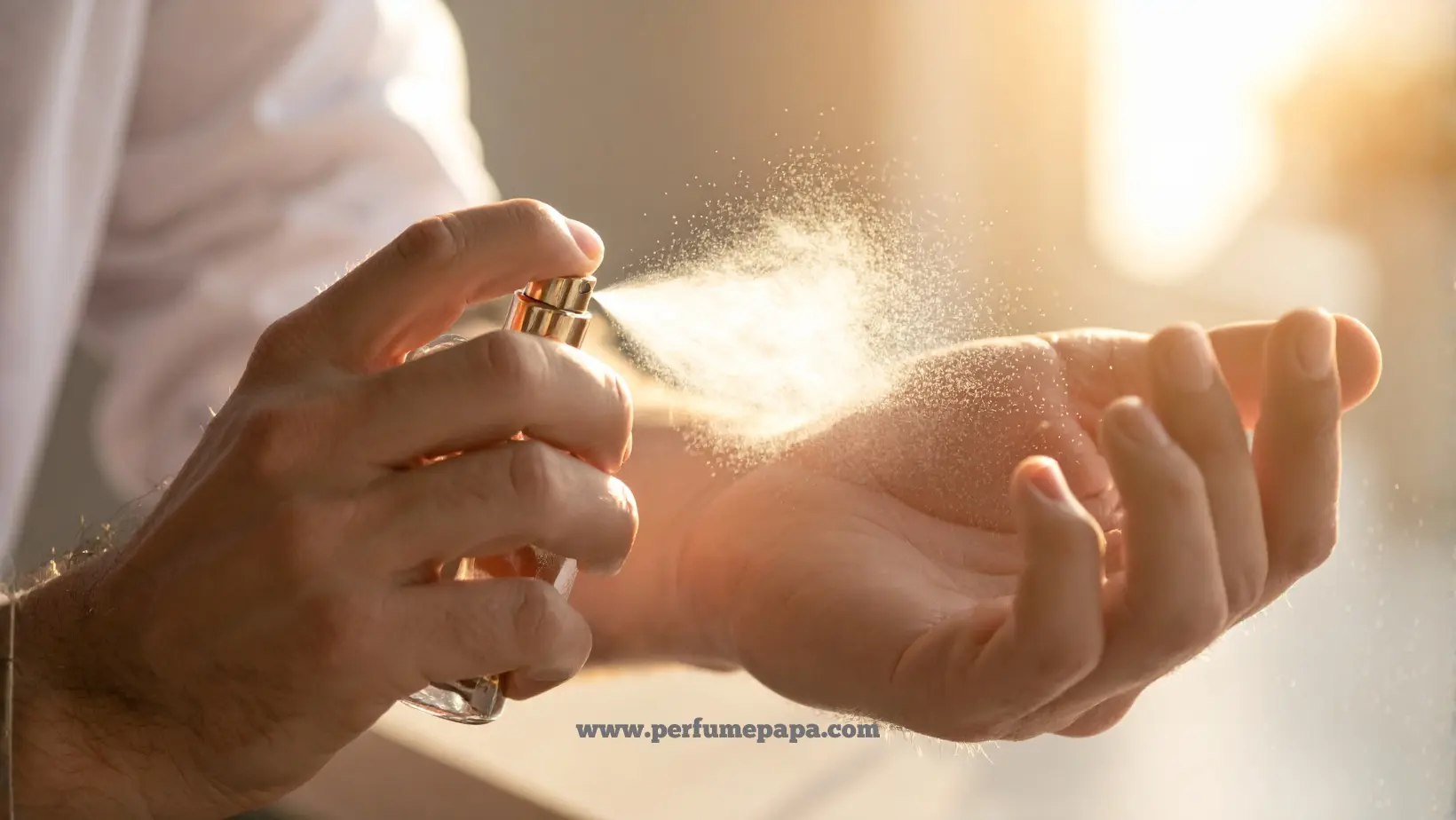
- Atomizer Quality: A good atomizer will deliver a fine, even mist, rather than a harsh stream.
Labeling and Information
Reputable brands provide clear and accurate information about their product, including ingredients, batch codes, and origin. Illegible or poorly printed labels can be a red flag.
Brand Reputation and Price (with Caveats)
While not foolproof, brand reputation and price can offer some guidance.
- Established Houses: Luxury perfume houses often have a long history of using high-quality ingredients and employing master perfumers.
- Price Point: Higher prices often reflect the cost of premium raw materials, extensive research and development, and sophisticated marketing. However, a high price doesn't automatically guarantee quality, nor does a moderate price preclude it. Always test the scent yourself.
Conclusion: Trusting Your Senses
Ultimately, determining the quality of a perfume comes down to a combination of objective assessment and personal preference. By focusing on the evolution of notes, the longevity and sillage, the smoothness of the blend, and the overall craftsmanship, you can become adept at identifying truly high-quality fragrances. Invest time in testing scents on your skin and allow them to develop fully. Your nose is your best judge in discovering a perfume that resonates with sophistication and lasting appeal.