Introduction to the Art of Perfume Layering
In the vast world of perfumery, finding a scent that truly resonates with your personality can be a delightful journey. But what if you could go beyond a single fragrance and craft an aroma that is entirely unique to you? Welcome to the sophisticated realm of perfume layering – the art of combining multiple fragrances to create a bespoke and complex olfactory experience. Far from a mere trend, layering scents is a time-honored practice that allows for unparalleled self-expression and depth in your fragrance wardrobe.
Whether you're looking to enhance your favorite perfume, extend its longevity, or simply experiment with new combinations, understanding how to layer fragrances like a professional can transform your daily ritual. This guide will walk you through the principles, techniques, and tips to master the art of scent blending.
Why Embrace Perfume Layering?
The allure of layering scents goes beyond just having a unique smell. Here are a few compelling reasons to try it:
- Personalization: Create a signature scent that no one else has.
- Enhanced Depth: Add new dimensions and complexity to simpler fragrances.
- Longevity: Often, layering can make your chosen aroma last longer on the skin.
- Versatility: Adapt your fragrance to different moods, occasions, or seasons.
- Creativity: It's a fun and engaging way to explore your scent preferences.
Fundamental Principles of Layering Perfumes
Before you start mixing every bottle on your dresser, it's essential to understand a few basic rules. Think of it like building a recipe – certain ingredients complement each other better than others.
1. Start Light to Heavy
Always apply your lightest, freshest fragrance first. This ensures that the delicate notes aren't overwhelmed by heavier, more potent scents. A general rule of thumb is to go from:
- Lighter (citrus, aquatic, green)
- To heavier (woody, gourmand, oriental)
2. Consider Scent Families
While rules are meant to be broken in art, starting with fragrances from complementary scent families is a safe bet. Good pairings often include:
- Citrus with Florals: Adds a bright lift to classic blooms.
- Woody with Oriental: Creates warmth and richness.
- Vanilla with almost anything: Acts as a fantastic base, adding warmth and sweetness.
- Musk with most families: Provides a soft, clean, and grounding base.
3. Less is More
You're aiming for synergy, not a cacophony. Begin with just two fragrances. Once you're comfortable, you can experiment with three, but rarely more. Over-applying can lead to a muddled or overwhelming scent.
How to Layer Fragrances Like a Pro: Step-by-Step
Ready to embark on your layering journey? Follow these steps for successful scent blending:
- Prepare Your Skin: Clean, moisturized skin is the best canvas for any fragrance. Apply an unscented lotion or body oil before spraying your perfumes. This also helps with longevity.
- Choose Your Base: Select a foundation fragrance – typically a lighter, more subtle scent or one you want to anchor the combination. Spray this first.
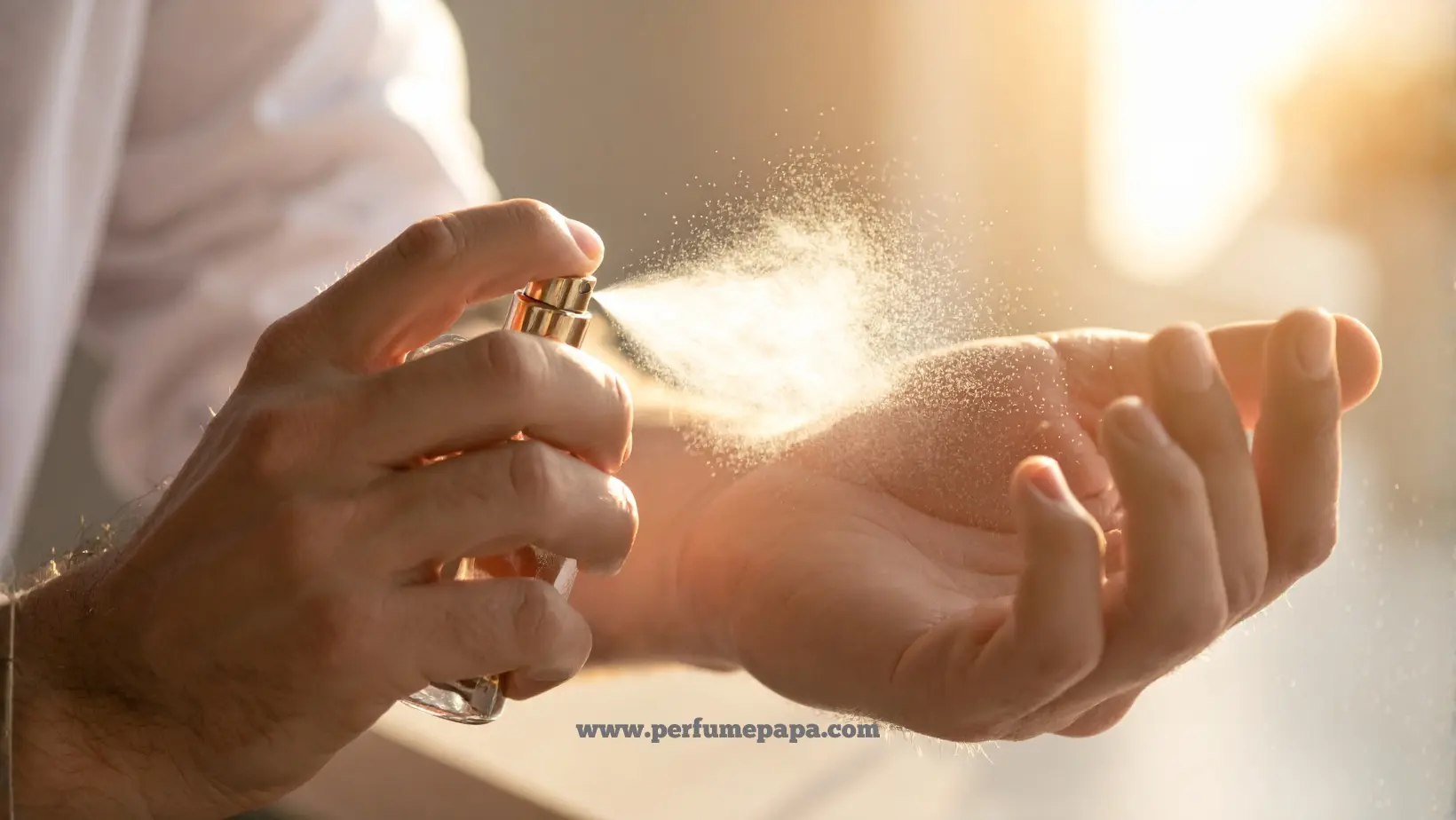
- Add Your Accent: Introduce your second fragrance, which should complement or enhance your base. Apply it to the same pulse points or different areas of your body, allowing each to develop independently before they mingle in the air.
- Give it Space: Don't rub your wrists together. Let the fragrances dry naturally on your skin. This allows the molecules to settle and interact properly.
- Assess and Adjust: Step back and evaluate the combined aroma. Does it work? Is it balanced? Make mental notes for future experiments.
Advanced Tips for Perfume Layering Success
- Layering Different Forms: Don't limit yourself to just eau de parfum. Incorporate scented body lotions, oils, or shower gels as your base layer for an even more profound effect.
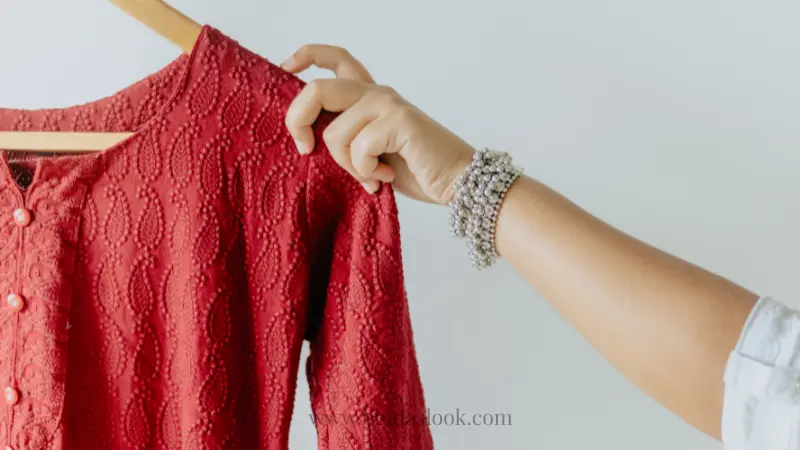
- Targeted Application: Spray one fragrance on your wrists and another on your neck, or one on your clothes and another on your skin. This creates a fascinating aura that evolves as you move.
- One Note at a Time: If you're new to layering, start with single-note fragrances (e.g., a pure vanilla, rose, or oud oil) and build around them.
- Consider the Weather: Heavier, warmer scents work well in colder months, while lighter, fresher layers are perfect for summer.
- Trust Your Nose: Ultimately, personal preference reigns supreme. Experiment and discover what smells good to you.
Common Mistakes to Avoid
- Over-spraying: Too much of a good thing can be overwhelming. Start with fewer sprays than usual.
- Mixing Dissimilar Strong Scents: Avoid combining two very strong, complex fragrances that might clash instead of harmonize.
- Ignoring Skin Chemistry: How a perfume reacts with your skin is unique. Test combinations on your skin, not just on paper strips.
- Rubbing Wrists: This breaks down the fragrance molecules prematurely and dulls the scent.
Conclusion
Perfume layering is a captivating journey that invites you to become your own perfumer. By understanding the basics, experimenting with confidence, and trusting your intuition, you can unlock a world of personalized aromas. So, go forth and explore how to layer fragrances, creating a distinctive scent narrative that is authentically and beautifully yours.