In the competitive realm of high-end fragrances, the presentation of a scent is almost as crucial as the aroma itself. For discerning consumers, a luxury perfume bottle is not merely a container but an integral part of the sensory experience, a statement of style and sophistication. Today, brands face the exciting challenge of designing bottles that exude opulence and contemporary elegance while simultaneously adhering to pressing eco-friendly principles. This delicate balance is redefining what it means to be truly luxurious in the modern era.
The Evolution of Luxury Perfume Bottle Design
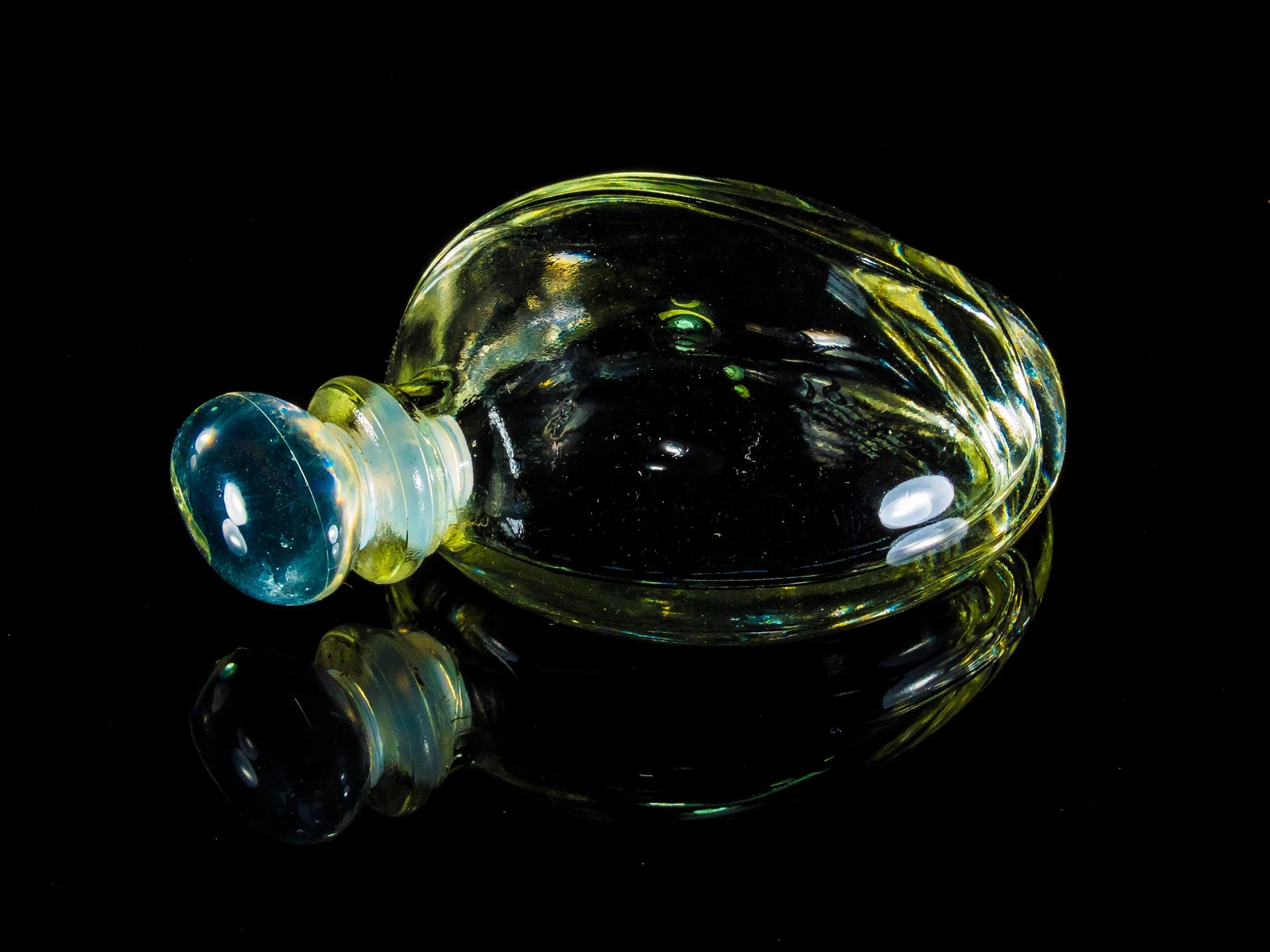
Historically, perfume bottles were elaborate works of art, often crafted from precious materials and intricate details, reflecting the exclusivity of their contents. While the desire for opulence remains, contemporary design has introduced a cleaner, more minimalist aesthetic, focusing on thoughtful lines, unique silhouettes, and tactile finishes that speak volumes without excessive ornamentation.
Balancing Opulence and Modernity
- Materiality Matters: Brands are exploring high-quality glass, sometimes with unique tints or finishes, alongside sustainable alternatives. The weight and feel of the bottle contribute significantly to the perception of luxury.
- Sculptural Forms: Moving beyond traditional square or round shapes, designers are experimenting with asymmetrical forms, architectural inspirations, and ergonomic curves that make the bottle a sculptural object.
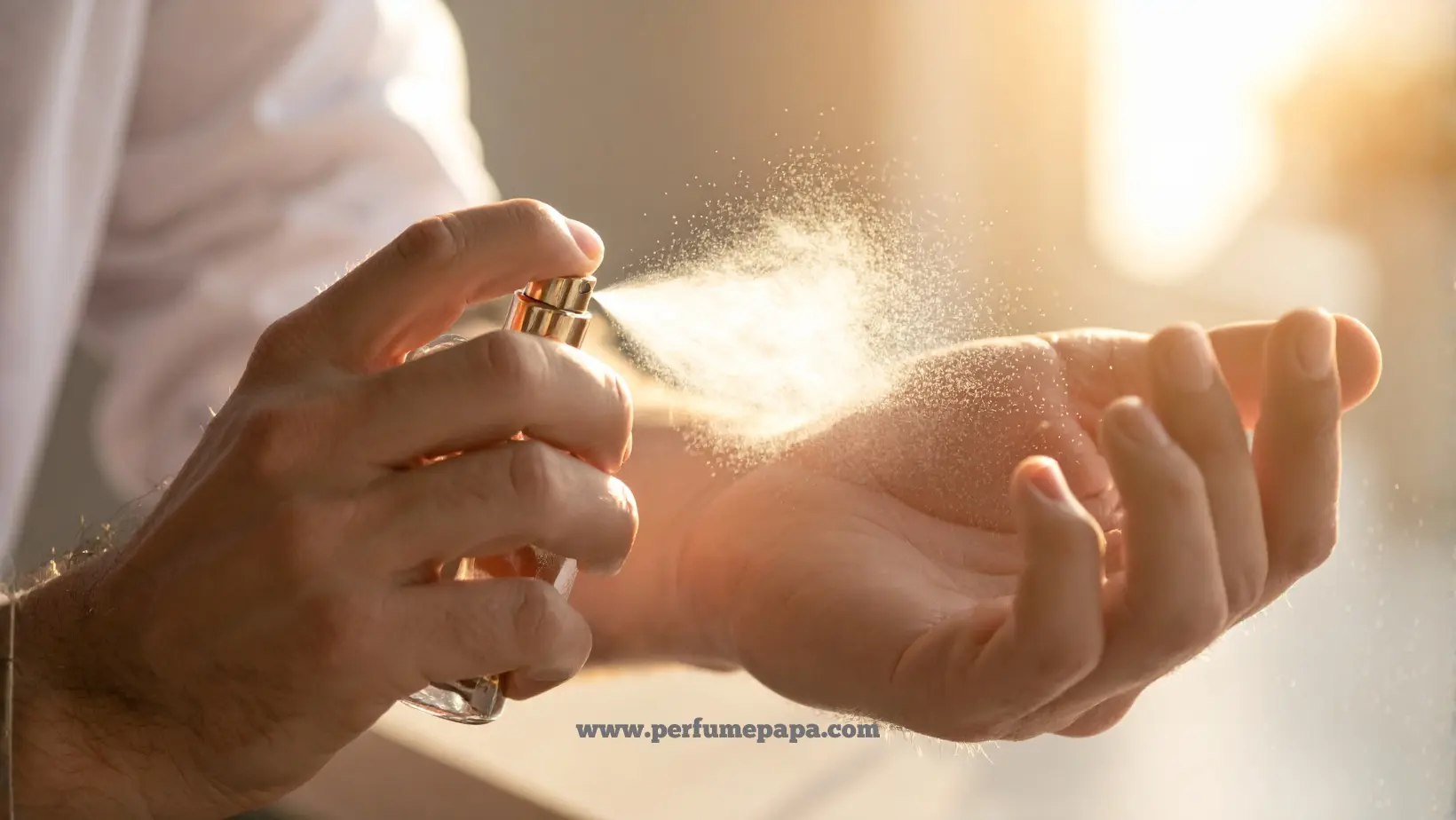
- Subtle Details: Instead of overt bling, luxury is now communicated through subtle touches like precision-engineered caps, embossed logos, or innovative atomizers that enhance the user experience.
Embracing Sustainability in High-End Fragrance
The imperative for sustainability is no longer an option but a necessity, even for luxury perfume brands. Consumers are increasingly demanding transparency and responsibility from their favorite labels. This has spurred innovation in how bottles are conceived, manufactured, and ultimately disposed of or reused.
Eco-Friendly Materials and Processes
Brands are making significant strides in reducing their environmental footprint without compromising on aesthetic appeal. Key initiatives include:
- Recycled and Recyclable Glass: Utilizing post-consumer recycled (PCR) glass or designing bottles that are easily separated and recycled after use.
- Refillable Systems: Pioneering elegant refillable bottles that encourage consumers to purchase refills rather than new bottles, drastically reducing waste.
- Minimalist Secondary Packaging: Reducing reliance on excessive cardboard or plastic packaging, opting for simpler, more sustainable materials, often certified by eco-labels.
- Water-Based Coatings and Inks: Shifting away from harmful solvents for decorative elements, opting for more environmentally benign alternatives.
- Lightweighting: Designing bottles that use less material while maintaining a luxurious feel, reducing carbon footprint during production and transport.
The Future of Perfume Aesthetics: Innovation Meets Responsibility
The trajectory for luxury perfume bottle design points towards a future where innovation and environmental responsibility are inextricably linked. Brands that successfully integrate these elements will not only capture market share but also build lasting loyalty among conscious consumers.
Design Trends Driving Change
- Biodegradable Components: Research into biodegradable plastics and plant-based resins for non-glass components.
- Modular Designs: Creating bottles where individual parts (cap, pump, bottle) can be easily separated for recycling or even customized.
- Digital Storytelling: Utilizing QR codes or NFC tags on bottles to share the perfume's story, ingredients, and sustainability journey, reducing the need for printed inserts.
- Artisanal Collaboration: Partnering with artists and craftspeople to create limited-edition, highly collectible bottles that are inherently valuable and meant to be cherished, not discarded.
The modern luxury perfume bottle is a testament to the fact that opulence and sustainability are not mutually exclusive. By embracing innovative design, responsible material sourcing, and consumer education, brands are crafting exquisite vessels that not only captivate the senses but also respect our planet. This evolving landscape ensures that the act of selecting and displaying a fine fragrance remains a truly sophisticated and forward-thinking pleasure.