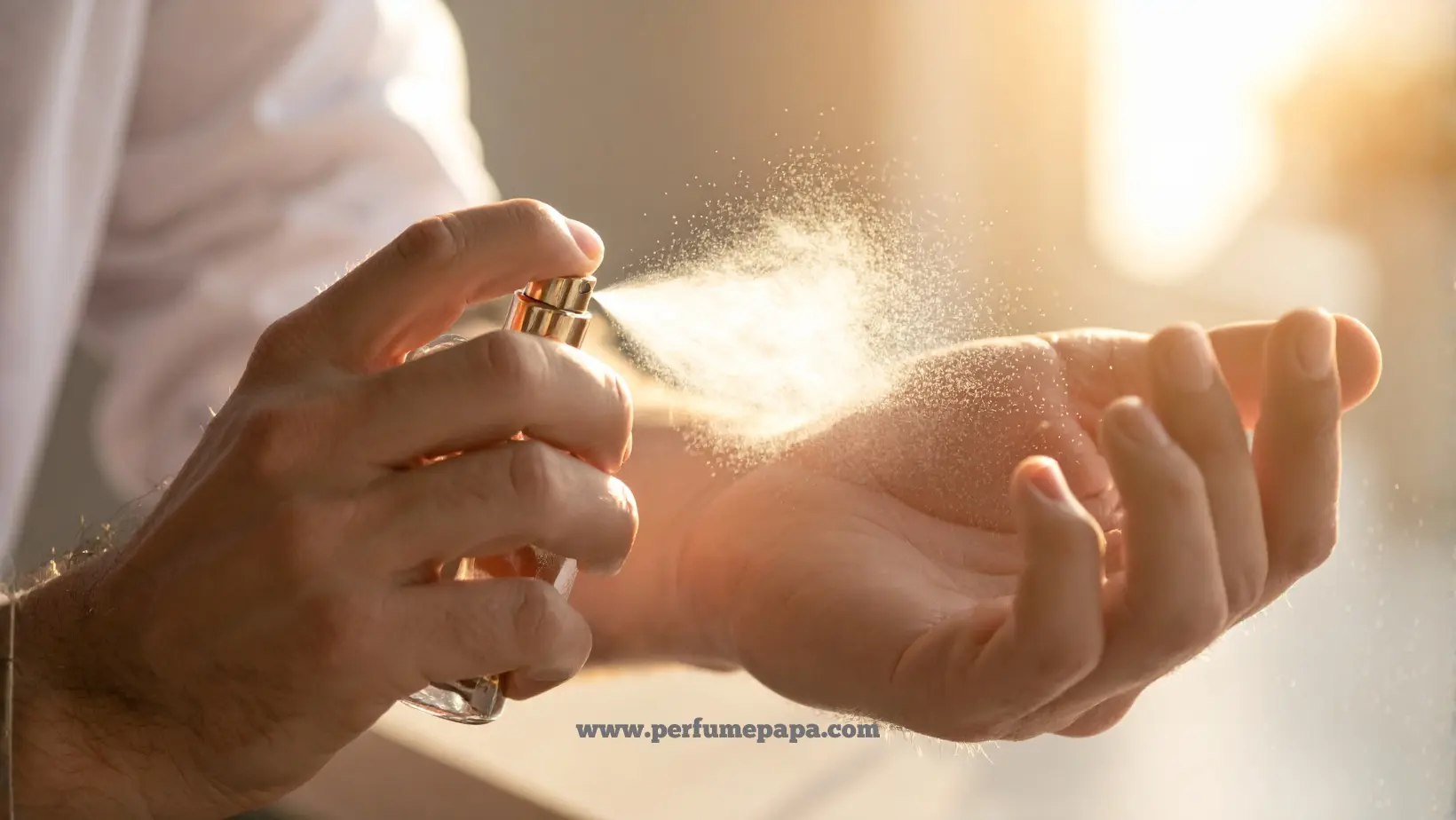

The global perfume market is set for an impressive growth trajectory, with a new comprehensive outlook predicting a Compound Annual Growth Rate (CAGR) of 5.6% from 2026 to 2036. This robust expansion underscores the dynamic nature of the fragrance industry, driven by evolving consumer preferences, product innovation, and strategic market development.
Key Drivers Fueling Perfume Market Growth
Several factors are converging to propel the perfume market forward over the next decade. Understanding these drivers is crucial for stakeholders looking to capitalize on the impending growth.
- Rising Disposable Incomes: As global economies grow, particularly in emerging markets, consumers have more discretionary income to spend on personal luxury items, including premium perfumes.
- Increasing Emphasis on Personal Grooming: A growing awareness and importance placed on personal grooming and self-care routines are driving demand for a wider range of fragrance products.
- Product Innovation and Diversification: Manufacturers are continually introducing new scents, formulations (e.g., natural, clean labels), and product formats (e.g., solid perfumes, hair mists) to cater to diverse tastes and needs.
- E-commerce Expansion: The proliferation of online retail channels has made perfumes more accessible to a global audience, simplifying discovery and purchase processes.
- Influence of Social Media and Celebrities: Social media platforms and celebrity endorsements play a significant role in shaping consumer trends and driving demand for specific fragrance brands and styles.
Emerging Trends Shaping the Fragrance Landscape
Beyond traditional drivers, several innovative trends are redefining the perfume market and contributing to its projected 5.6% CAGR.
Sustainability and Ethical Sourcing
Consumers are increasingly conscious of the environmental and social impact of their purchases. This has led to a surge in demand for perfumes made with ethically sourced ingredients, sustainable packaging, and transparent production processes. Brands prioritizing eco-friendly practices are gaining a competitive edge.
Personalization and Bespoke Fragrances
The desire for unique identity is translating into a demand for personalized and bespoke fragrance experiences. Brands are offering customization options, allowing consumers to create scents that truly reflect their individuality. Niche perfume houses specializing in unique blends are also seeing significant traction.
Gender-Neutral Scents (Unisex Fragrances)
The traditional binary classification of 'men's' and 'women's' fragrances is blurring. Gender-neutral scents are gaining popularity, appealing to a broader demographic that values personal expression over conventional gender norms. This trend reflects a broader cultural shift towards inclusivity.
Aromachology and Wellness Fragrances
The connection between scent and well-being is becoming more pronounced. Fragrances designed not just to smell good but also to evoke specific moods – such as relaxation, energy, or focus – are emerging. These 'wellness perfumes' tap into the growing interest in holistic health.
Regional Dynamics: A Global Snapshot
The 5.6% CAGR is a global average, with regional markets exhibiting varied growth patterns:
- Asia-Pacific: Expected to be a dominant growth region, driven by rising disposable incomes, urbanization, and a growing middle class in countries like China and India.
- Europe and North America: Mature markets that will continue to innovate with luxury, niche, and sustainable offerings, maintaining steady growth.
- Latin America & Middle East and Africa: These regions show significant potential, propelled by strong cultural ties to fragrance and increasing economic stability.
The Road Ahead: Opportunities and Challenges
While the outlook is overwhelmingly positive, the perfume market will also navigate certain challenges, including the fight against counterfeit products and the complexities of regulatory compliance across different regions. However, the opportunities presented by digital transformation, novel ingredient technologies, and evolving consumer desires for unique, sustainable, and personalized experiences are poised to drive the industry to new heights.
In conclusion, the perfume market is on a robust growth trajectory, anticipated to expand at a healthy 5.6% CAGR through 2036. This growth will be powered by a confluence of economic factors, technological advancements, and a profound shift in consumer values towards authenticity, sustainability, and personal expression. For brands and investors alike, the next decade promises a vibrant and evolving landscape within the global fragrance industry.