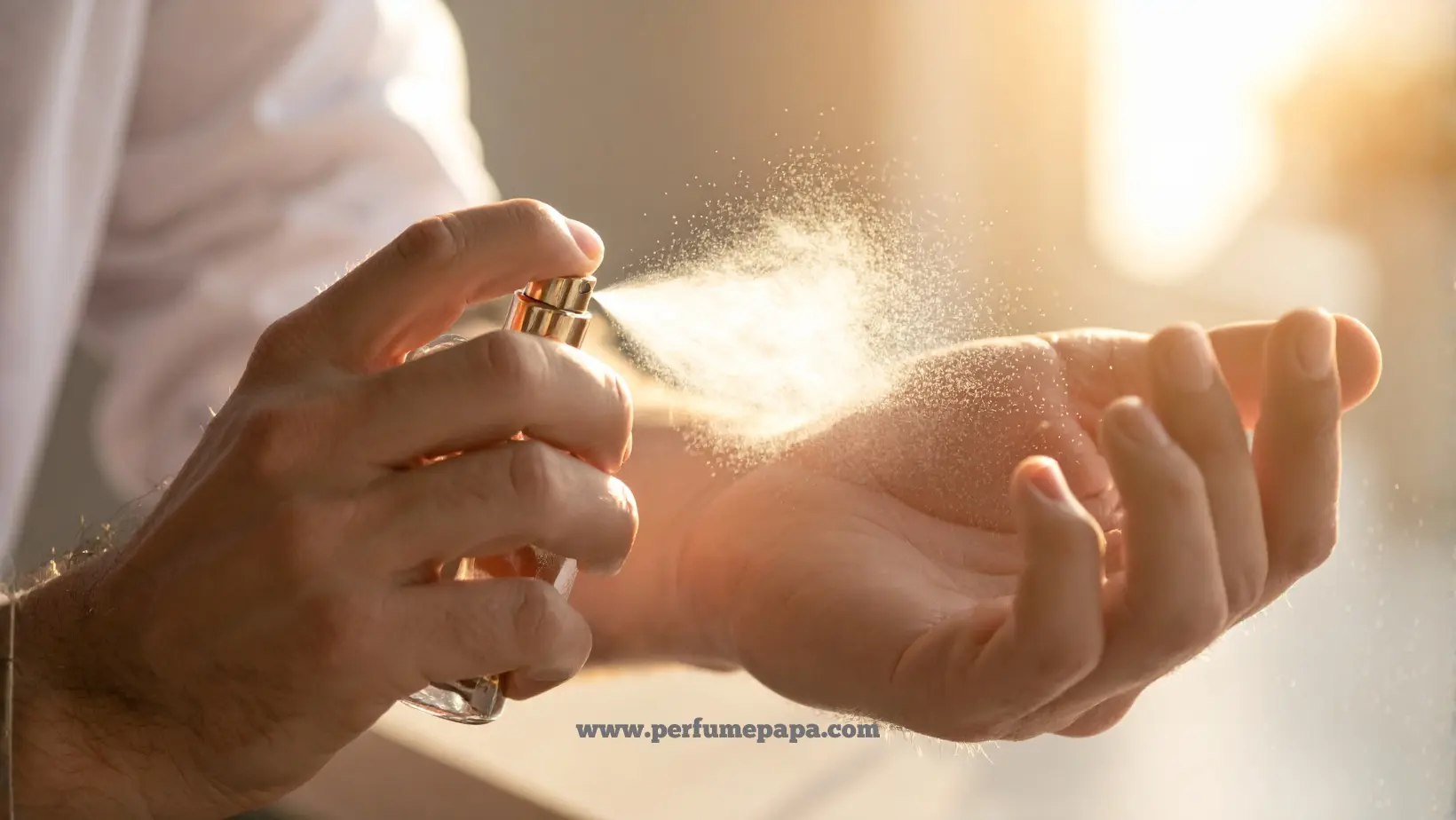
The global perfume market is poised for an unprecedented surge, with projections indicating a rapid boom by 2033. This significant growth is fueled by evolving consumer preferences, innovative product development, and aggressive marketing strategies from industry titans. Understanding the dynamics of this expansion offers a fascinating glimpse into the future of luxury and personal care.
A Fragrant Future: Market Projections to 2033
Market analysts predict a robust Compound Annual Growth Rate (CAGR) for the perfume industry over the next decade. This growth is attributed to increasing disposable incomes, particularly in emerging economies, a growing awareness of personal grooming, and the rising popularity of niche and artisanal fragrances alongside mass-market products. The demand for personalized and sustainable scents is also playing a crucial role in shaping market trends.
Key Drivers Behind the Scented Surge
- Rising Disposable Incomes: Consumers are increasingly willing to spend on luxury and personal care items.
- Evolving Consumer Preferences: A shift towards unique, long-lasting, and ethically sourced fragrances.
- Digitalization and E-commerce: Online platforms are expanding market reach and accessibility.
- Innovation in Product Development: New formulations, longer-lasting scents, and diverse ingredient palettes.
- Celebrity Endorsements and Influencer Marketing: Driving brand awareness and desirability among younger demographics.
Industry Leaders Paving the Way
The anticipated market boom is significantly driven by the strategic initiatives of established global players. Companies like The Avon Company, CHANEL, and Coty Inc. are at the forefront, adapting to new challenges and capitalizing on emerging opportunities.
The Avon Company
Avon continues to leverage its extensive direct-selling network and expand its digital footprint. By focusing on affordability, accessibility, and a diverse product range, Avon appeals to a broad consumer base, particularly in markets where direct sales models thrive. Their ongoing innovation in new scent profiles and sustainable packaging contributes to their continued relevance.
CHANEL
As a paragon of luxury, CHANEL maintains its market leadership through timeless appeal and strategic exclusivity. Investing heavily in brand heritage, high-quality ingredients, and limited-edition releases, CHANEL targets discerning consumers willing to pay a premium for iconic and sophisticated fragrances. Their global brand recognition and strong retail presence solidify their position.
Coty Inc.
Coty Inc., a global beauty powerhouse, boasts a formidable portfolio of owned and licensed fragrance brands. Their strategy involves a blend of acquiring popular brands, collaborating with celebrities and designers, and focusing on product innovation across various price points. Coty’s expansive distribution channels and ability to respond to fast-changing beauty trends enable them to capture significant market share.
Emerging Trends to Watch
- Sustainable and Eco-Friendly Fragrances: A growing demand for natural, vegan, and cruelty-free options.
- Gender-Neutral Scents: The blurring of traditional gender lines in perfumery.
- Personalized Fragrances: Custom blending and AI-driven scent recommendations.
- Ingredient Transparency: Consumers are increasingly seeking information about what goes into their perfumes.
- Scent as Wellness: Fragrances designed to evoke specific moods or enhance well-being.
Conclusion
The perfume market is on the cusp of a transformative decade, promising rapid growth and innovation. With key players like The Avon Company, CHANEL, and Coty Inc. leading the charge, driven by evolving consumer demands and technological advancements, the future smells incredibly bright. Consumers can anticipate a wider array of unique, sustainable, and personalized options, making the world of fragrance more exciting than ever before.