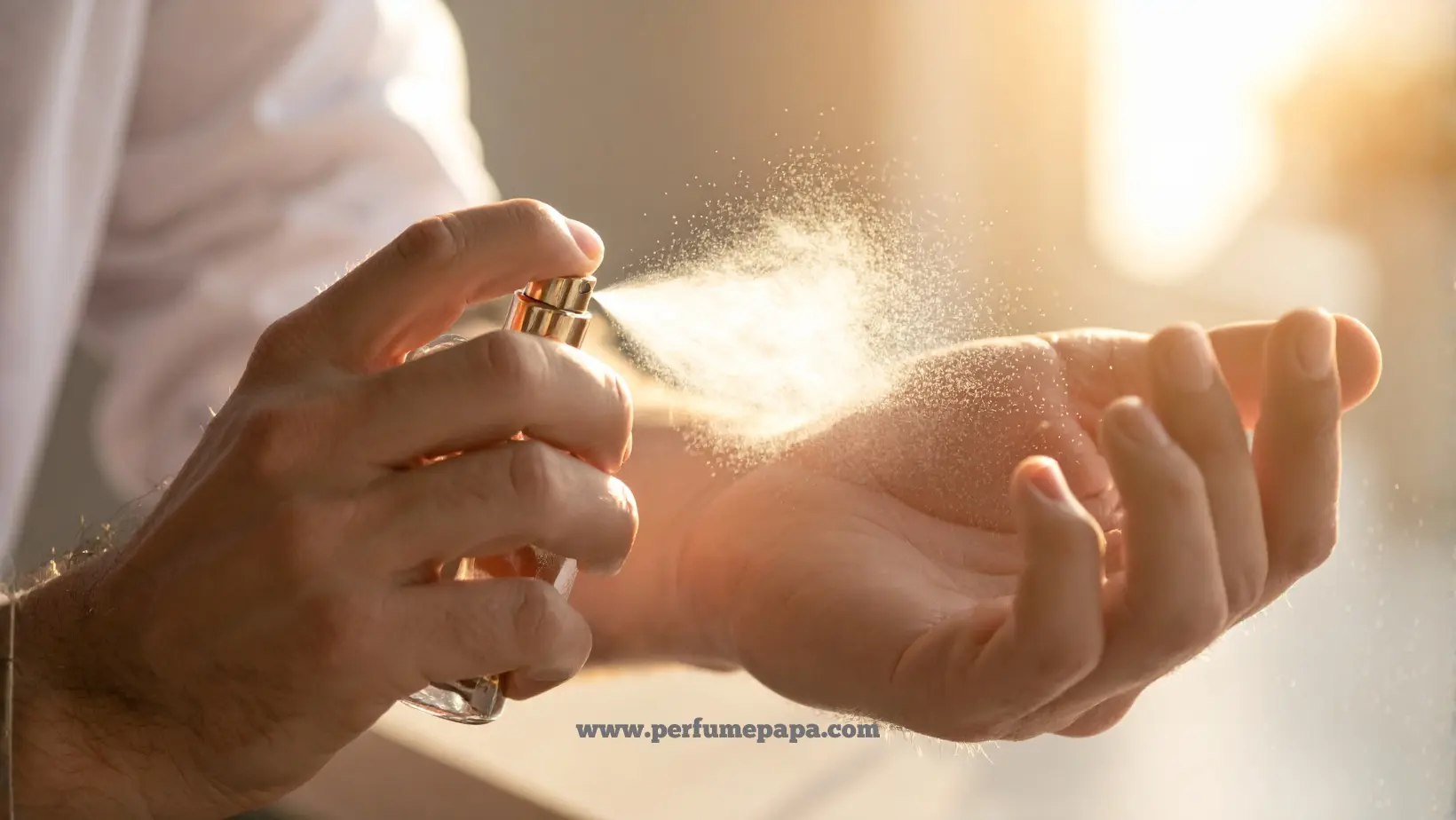
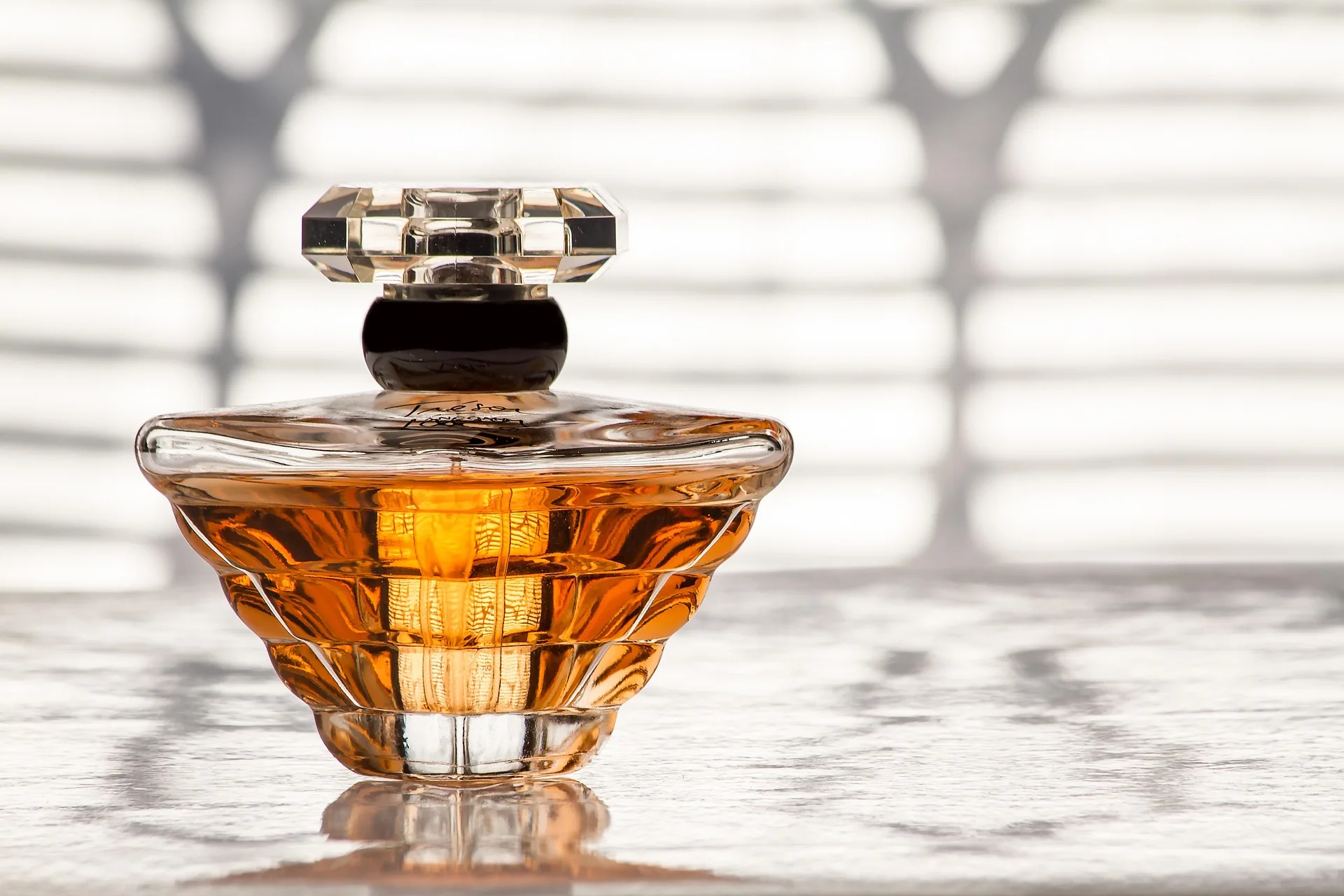
Perfume, often deemed an invisible accessory, holds stories of history, culture, and meticulous craftsmanship within each exquisite bottle. For enthusiasts eager to delve deeper than a mere spritz, perfume tourism offers an immersive, multi-sensory journey into the heart of the fragrance world. This burgeoning niche in travel invites individuals to explore the origins of ingredients, witness the artistry of perfumers, and understand the heritage that shapes the aromatic landscapes we adore.
The Allure of Scented Journeys
What draws travelers to embark on a perfume pilgrimage? It's the profound connection to an art form that transcends sight and sound. Perfume tourism is about experiencing a destination not just through its landmarks, but through its indigenous scents, the bustling flower fields, and the hallowed halls of historic perfumeries. It's a journey that engages the most primal of senses, evoking memories and forging new ones.
A Dive into Historical Roots
The history of perfumery spans millennia, from ancient Egyptians using fragrant oils in rituals to Roman emperors anointing themselves with elaborate scents. Each civilization contributed to the evolution of this art. Perfume tourism allows travelers to trace these ancient roots, visiting sites where fragrances were first concocted and discovering the cultural significance they held throughout history.
Iconic Destinations for Perfume Enthusiasts
Certain regions have become synonymous with the art of perfumery, offering unparalleled experiences for the intrepid scent-seeker.
Grasse, France: The World's Perfume Capital
- Nestled on the French Riviera, Grasse has been the global epicenter of perfumery for centuries. Its unique microclimate is ideal for cultivating fragrant flowers like jasmine, Centifolia rose, tuberose, and orange blossom.
- Visitors can explore historic perfume houses such as Fragonard, Molinard, and Galimard, which offer guided tours of their factories and museums.
- Hands-on workshops allow participants to create their own bespoke fragrances, learning about top, middle, and base notes directly from master perfumers.
The Middle East: Oud and Ancient Traditions
- The Arabian Peninsula is renowned for its rich perfumery traditions, particularly centered around oud (agarwood), frankincense, and amber.
- Destinations like Dubai, Oman, and Saudi Arabia offer souks brimming with traditional attars, bakhoor (incense), and custom-blended perfumes.
- Travelers can immerse themselves in the deep cultural significance of fragrance, experiencing ancient incense ceremonies and exploring the role of scent in hospitality and celebration.
Italy: Renaissance Elegance and Modern Innovation
- Italy, particularly Florence, boasts a rich heritage in perfumery, dating back to the Renaissance. The Officina Profumo-Farmaceutica di Santa Maria Novella, one of the oldest pharmacies in the world, continues to produce exquisite fragrances using traditional methods.
- Italian perfume tourism often involves exploring artisanal perfumeries that blend classical techniques with contemporary flair, often emphasizing local ingredients and bespoke services.
Beyond Europe and the Middle East
Perfume tourism extends to other fascinating locales. Madagascar, for instance, is a primary source for vanilla, while Sri Lanka and India are celebrated for their spices and essential oils. Exploring these regions offers insights into the cultivation and extraction of the raw materials that form the very soul of a fragrance.
The Experience: More Than Just a Scent
A perfume tourism journey offers multifaceted experiences beyond simply purchasing a new fragrance.
Hands-on Workshops and Creation
Many destinations offer workshops where you can learn the basics of perfumery, identify different olfactory families, and even compound your own signature scent under expert guidance. This interactive element transforms passive appreciation into active participation.
Exploring Raw Materials
Visiting flower fields, distilleries, and essential oil extraction facilities provides a profound understanding of where fragrances truly begin. Witnessing the laborious process of harvesting jasmine petals or distilling rose oil illuminates the dedication required to create a single drop of perfume.
Cultural Immersion
Fragrance is often deeply intertwined with local culture and traditions. Perfume tourism provides a gateway to understanding these connections, whether it's through ancient rituals, local customs, or the very lifestyle of the communities that produce these aromatic treasures.
Planning Your Fragrant Escape
For those considering a fragrant journey, thorough research is key. Look for specialized tours, workshops, and authentic experiences. Booking in advance, especially for popular perfumeries or during peak harvest seasons, is highly recommended. Consider the time of year to witness flowers in full bloom, adding another layer of sensory delight to your adventure.
Conclusion
Perfume tourism offers a unique lens through which to explore the world, blending cultural heritage, artistic craftsmanship, and sensory discovery. It’s an invitation to connect with the essence of places and people through the universal language of scent, leaving travelers with not just souvenirs, but with unforgettable aromatic memories and a deeper appreciation for the art of perfumery.