Decoding Fragrance: Perfume vs. Deodorant vs. Cologne
In the vast world of personal care, distinguishing between products designed for scent and those for odor protection can be a perplexing task. Many often use terms like perfume, cologne, and deodorant interchangeably, or without fully understanding their distinct purposes and formulations. This guide aims to demystify these popular products, helping you understand their differences and make an informed choice for your daily routine.
What is Perfume? (Eau de Parfum & Extrait de Parfum)
Perfume, or more specifically, Eau de Parfum (EDP) and Extrait de Parfum (pure perfume), represents the highest concentration of fragrance oils. These are the most potent and long-lasting options available.
- Concentration: Extrait de Parfum typically contains 20-40% fragrance oils, while Eau de Parfum has 15-20%.
- Longevity: Due to their high concentration, perfumes can last anywhere from 6 to 10+ hours on the skin.
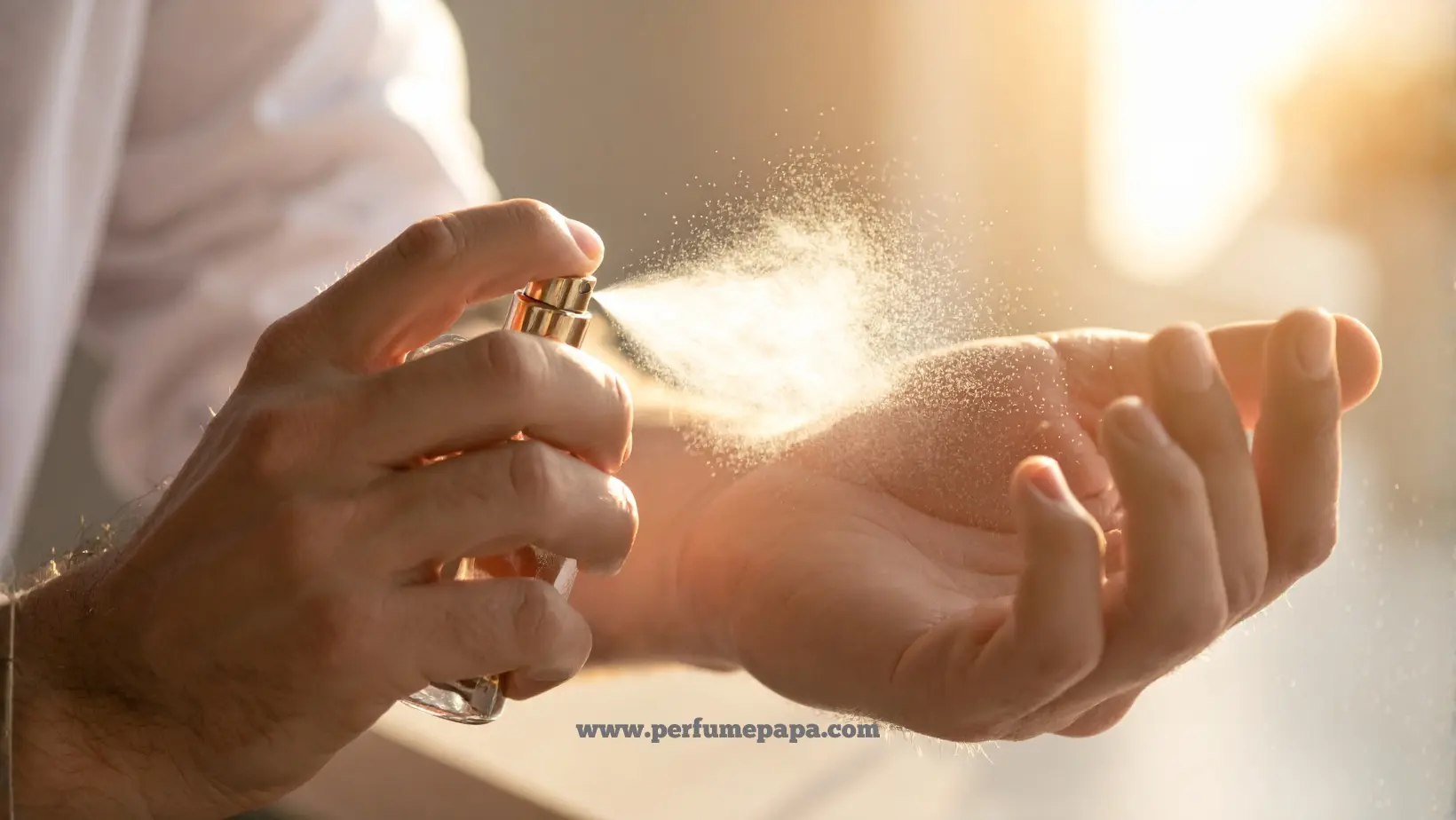
- Purpose: Designed to provide a rich, complex, and enduring aroma. It's often applied to pulse points for maximum sillage (the trail of scent left behind).
- Usage: Ideal for special occasions, evenings, or when you desire a significant and long-lasting scent presence.
What is Cologne? (Eau de Cologne & Eau de Toilette)
While 'cologne' is often used generically to refer to men's fragrances, it technically refers to a specific concentration level. Eau de Toilette (EDT) is also in this lighter fragrance category.
- Concentration: Eau de Toilette contains 5-15% fragrance oils, and Eau de Cologne (EDC) has an even lower concentration, typically 2-4%.
- Longevity: EDT generally lasts 3-5 hours, while EDC might only last 2-3 hours.
- Purpose: Offers a lighter, more refreshing scent experience compared to perfume. EDTs are very popular for everyday wear.
- Usage: Excellent for daily use, work, or warmer climates where a heavy scent might be overwhelming. Often applied more liberally than perfume.
What is Deodorant? (And Antiperspirant)
Deodorant stands apart from perfume and cologne as its primary function is not to introduce a fragrance, but to combat body odor.
- Concentration: Contains no fragrance oils in the same sense as perfumes or colognes. Instead, it features active ingredients.
- Longevity: Provides odor protection for several hours, typically 12-48 hours depending on the formulation and activity level.
- Purpose:
- Deodorant: Works by masking body odor and killing odor-causing bacteria on the skin.
- Antiperspirant: Contains aluminum-based compounds that temporarily block sweat ducts, reducing perspiration. Many products are a combination of both.
- Usage: Applied to the underarms daily, or as needed, to manage sweat and prevent body odor. Some come with a subtle scent, but this is secondary to their primary function.
Key Differences at a Glance
| Feature | Perfume (EDP/Extrait) | Cologne (EDT/EDC) | Deodorant |
|---|---|---|---|
| Primary Purpose | Long-lasting scent | Lighter, refreshing scent | Odor/Sweat protection |
| Fragrance Oil % | 15-40% | 2-15% | Minimal to none (for fragrance) |
| Longevity | 6-10+ hours | 2-5 hours | 12-48 hours (for protection) |
| Application Area | Pulse points, clothes | Pulse points, body | Underarms |
| Price Point | Highest | Medium | Lowest |
Which One Should You Choose?
The best choice depends entirely on your needs, lifestyle, and desired outcome:
- For a Powerful, Lasting Impression: Choose Perfume. If you want your scent to be a statement, last all day or night, and have significant depth, an Eau de Parfum or pure perfume is your go-to.
- For Everyday Freshness & Subtle Scent: Choose Eau de Toilette/Cologne. For a lighter, more versatile fragrance that's perfect for work, casual outings, or warmer weather, EDT offers a pleasant aroma without being overpowering.
- For Odor Protection: Choose Deodorant/Antiperspirant. This is non-negotiable for personal hygiene. Even if you wear a fragrance, a good deodorant ensures you stay fresh and odor-free, preventing your chosen scent from mixing with unwanted smells.
Many people opt to use a deodorant for protection and layer it with a complementary perfume or cologne for a complete aromatic experience. Just ensure the scents don't clash!
Conclusion
Understanding the fundamental differences between perfume, cologne, and deodorant empowers you to curate your personal care routine effectively. Whether you're seeking a sophisticated signature scent, a light daily refresher, or essential odor protection, each product serves a unique and important role in ensuring you feel confident and smell great throughout your day. Choose wisely, and let your presence be both pleasant and distinctly you.