Decoding Scents: Perfume, Deodorant, and Cologne Explained
In the vast and often confusing world of personal grooming, discerning the nuances between different scent products can be a challenge. From lingering fragrances to essential daily protection, perfume, deodorant, and cologne each serve unique purposes. Understanding their core differences is key to making an informed choice that aligns with your lifestyle, occasion, and personal preference. Let's break down these popular options and guide you to your ideal scent companion.
Perfume: The Art of Lasting Fragrance
What is Perfume?
Perfume, derived from the Latin 'per fumum' meaning 'through smoke,' is the most concentrated and luxurious form of fragrance. It is an intricate blend of essential oils, aroma compounds, fixatives, and solvents, typically alcohol. The term 'perfume' often acts as an umbrella for various concentrations, but true perfume (Parfum or Extrait de Parfum) boasts the highest oil concentration.
- Concentration: 20-40% aromatic compounds.
- Longevity: 6-8+ hours, sometimes even longer.
- Purpose: To impart a rich, long-lasting aroma. Ideal for special occasions or when a significant scent presence is desired.
- Common Types: Eau de Parfum (15-20% concentration, 4-6 hours longevity) and Eau de Toilette (5-15% concentration, 2-4 hours longevity) are popular variations offering different intensities and wear times.
Cologne: A Lighter, Refreshing Aura
What is Cologne?
Historically, Eau de Cologne (meaning 'Water from Cologne') was a specific fragrance recipe originating from Cologne, Germany. Today, 'cologne' generally refers to a lighter concentration of fragrance, often associated with men's grooming products, though women's versions exist.
- Concentration: 2-4% aromatic compounds.
- Longevity: 1-2 hours.
- Purpose: To provide a refreshing, lighter scent experience. Excellent for casual daily wear, post-shower invigoration, or warmer climates where heavy scents might be overwhelming.
- Characteristics: Typically features a higher alcohol content and a refreshing, citrusy, or herbaceous top note profile.
Deodorant: The Daily Odor Defender
What is Deodorant?
Unlike perfume and cologne, deodorant's primary function is not to add a pleasant scent but to neutralize or mask body odor caused by bacterial breakdown of sweat. It's a personal hygiene product designed for underarm use.
- Concentration: Contains active ingredients that target bacteria or mask odors, not aromatic compounds for fragrance.
- Longevity: Typically 12-24 hours, depending on the formulation and individual body chemistry.
- Purpose: To prevent or mask unpleasant body odor. Some deodorants are scented to provide a subtle, fresh aroma.
- Antiperspirant: A common subtype of deodorant that also contains aluminum-based compounds to temporarily block sweat glands and reduce perspiration.
Key Differences at a Glance
| Feature | Perfume | Cologne | Deodorant |
|---|---|---|---|
| Primary Purpose | Impart rich, lasting fragrance | Provide light, refreshing scent | Prevent/mask body odor |
| Fragrance Concentration | High (20-40%) | Low (2-4%) | Minimal (scent for masking) |
| Longevity | Long (6-8+ hours) | Short (1-2 hours) | Medium (12-24 hours) |
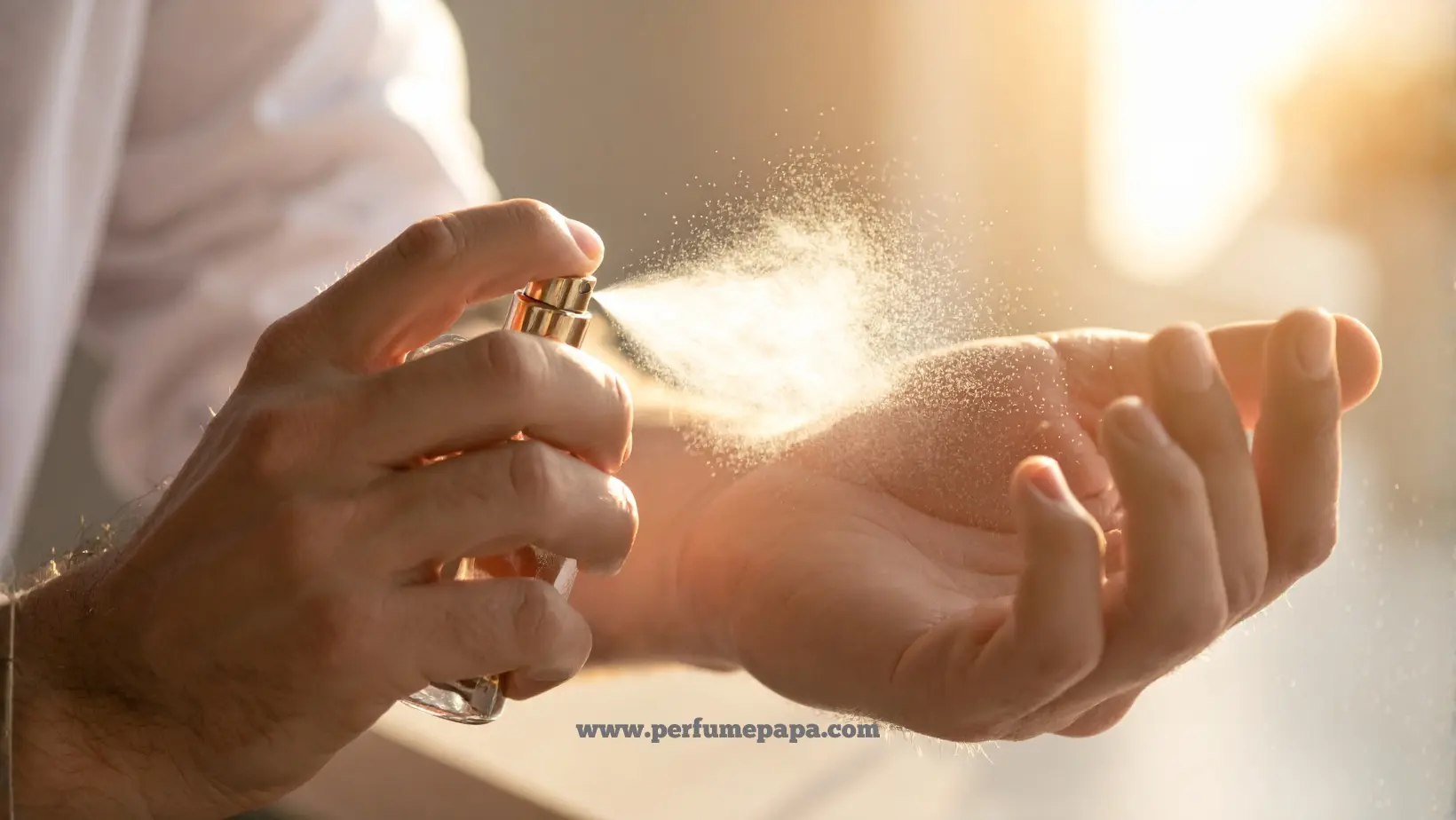
| Application Area | Pulse points (wrists, neck) | Pulse points, chest | Underarms |
| Cost | Highest | Moderate | Lowest |
Which One Should You Choose?
Selecting the right product depends entirely on your needs and the situation.
For Lasting Impression: Perfume (or Eau de Parfum/Toilette)
Choose perfume for special events, evening wear, or when you want your scent to make a statement and last throughout the day or night. Consider the intensity; an Eau de Parfum offers a good balance of longevity and presence for everyday elegance.
For Everyday Freshness & Subtle Scent: Cologne
Opt for cologne for a lighter, more invigorating feel. It’s perfect for office wear, casual outings, or simply when you want a quick refresh without overwhelming those around you. Its ephemeral nature allows for reapplication.
For Odor Protection: Deodorant (or Antiperspirant)
This is a daily essential for everyone. Use deodorant for basic odor control, and an antiperspirant if you also want to reduce wetness. Many deodorants come lightly scented, providing a clean base that can be complemented by a separate perfume or cologne.
The Combination Approach
Many individuals use a combination. Start with a neutral or lightly scented deodorant for daily odor protection. Then, layer a perfume or cologne on pulse points for your desired fragrance profile. Be mindful not to mix clashing scents.
Conclusion
Understanding the distinct roles of perfume, deodorant, and cologne empowers you to curate your personal scent wardrobe effectively. While perfume and cologne enhance your aura with fragrance, deodorant is your non-negotiable shield against body odor. By choosing wisely, you can ensure you always smell fantastic, feel confident, and make the right impression for every occasion.