Navigating the world of personal fragrances can be a bewildering experience. With an array of options like perfume, cologne, and deodorant, it’s common to wonder what truly sets them apart and, more importantly, which one is the right choice for you. Understanding these distinctions is key to building an effective personal grooming routine and making a statement with your scent. Let's demystify these popular products and help you find your perfect fragrance match.
Understanding the Basics: What's the Difference?
Perfume (Parfum)
Perfume, also known as parfum or pure perfume, boasts the highest concentration of fragrance oils, typically ranging from 20% to 40%. This high concentration means it’s the most expensive option but also the most potent and long-lasting.
- Concentration: 20-40% fragrance oils.
- Longevity: 6-8 hours or more.
- Usage: Best for special occasions or when you want a strong, enduring presence. Applied sparingly to pulse points.
- Cost: Highest.
Eau de Parfum (EDP)
Eau de Parfum is the next in line regarding concentration, usually containing 15% to 20% fragrance oils. It offers a good balance between longevity and affordability, making it a popular choice for many.
- Concentration: 15-20% fragrance oils.
- Longevity: 4-5 hours.
- Usage: Versatile for everyday wear and evening events. Applied to pulse points.
- Cost: High, but less than pure perfume.
Eau de Toilette (EDT)
Eau de Toilette is a lighter fragrance with a concentration of 5% to 15% fragrance oils. It’s designed for a quick refresh and a less intense scent experience, perfect for daytime use.
- Concentration: 5-15% fragrance oils.
- Longevity: 2-3 hours.
- Usage: Ideal for daily use, work, or casual outings. Can be sprayed more liberally.
- Cost: Moderate.
Cologne (Eau de Cologne - EDC)
Traditionally, Eau de Cologne (EDC) is a light formulation with 2% to 4% fragrance oils. While "cologne" is often used broadly to refer to men's fragrances, true EDC is characterized by its low concentration and refreshing, often citrus-based, notes.
- Concentration: 2-4% fragrance oils.
- Longevity: 1-2 hours.
- Usage: Great for a quick burst of freshness, especially in warm weather.
- Cost: Lowest among traditional fragrances.
Deodorant and Antiperspirant
Deodorants and antiperspirants serve a fundamentally different purpose from perfumes and colognes. They are personal hygiene products primarily designed to manage body odor and sweat.
- Deodorant: Primarily masks body odor with fragrance and/or inhibits bacterial growth. Does not stop sweating.
- Antiperspirant: Contains aluminum compounds that block sweat ducts, reducing perspiration. Often includes deodorant properties.
- Usage: Applied to underarms to control sweat and odor.
- Purpose: Hygiene and odor control, not primarily for fragrance as a standalone accessory.
Which One Should You Choose?
For Long-Lasting Impact and Special Occasions
If you're attending an evening event, a formal gathering, or simply want your scent to last all day (and night), Perfume (Parfum) or Eau de Parfum (EDP) are your best bets. Their high concentration ensures a memorable and enduring fragrance.
For Everyday Wear and Moderate Strength
For daily office wear, casual outings, or when you prefer a noticeable but not overpowering scent, Eau de Parfum (EDP) or Eau de Toilette (EDT) offer excellent versatility. EDP provides more longevity, while EDT is perfect for a lighter touch.
For a Light Refreshing Scent
On hot days, after a shower, or when you desire just a subtle hint of fragrance, Eau de Toilette (EDT) or traditional Cologne (EDC) are ideal. They provide a refreshing burst without being heavy.
For Odor Protection
For fundamental hygiene and to combat body odor and sweat, Deodorant or Antiperspirant are essential. These are functional products, often worn in conjunction with a fragrance for a complete personal scent profile.
Tips for Application
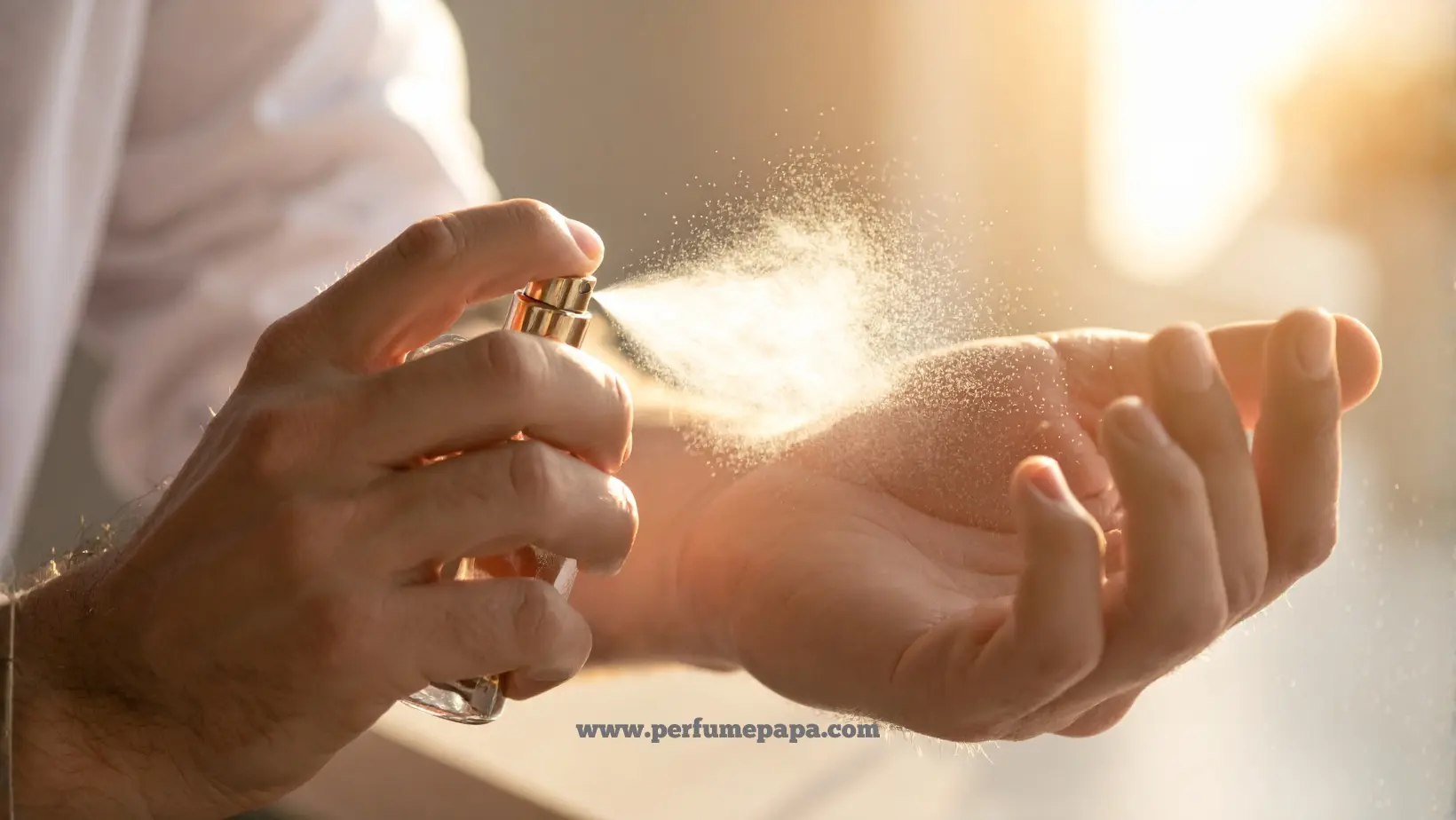
- Apply to Pulse Points: For perfumes and colognes, apply to areas where your body heat helps diffuse the scent, such as wrists, neck, behind the ears, and inner elbows.
- Don't Rub: Rubbing your wrists together after applying fragrance can break down the molecules and alter the scent.
- Layering: For a more enduring and consistent scent, consider using products from the same fragrance line (e.g., shower gel, lotion, and perfume).
- Less is More: Especially with highly concentrated perfumes, a little goes a long way. Over-application can be overwhelming.
- Storage: Keep fragrances in a cool, dark place away from direct sunlight and extreme temperatures to preserve their integrity.
Choosing between perfume, deodorant, and cologne isn't about one being inherently "better" than the other; it's about understanding their distinct roles and selecting the right product for the right occasion and your personal needs. Deodorants provide essential hygiene, while perfumes and colognes offer an expressive layer to your personal style. By knowing the differences in concentration, longevity, and purpose, you can confidently build a fragrance wardrobe that perfectly complements every aspect of your life.