In an era where personal well-being is increasingly scrutinized, every aspect of our daily routine comes under the microscope. From the food we eat to the air we breathe, we're constantly evaluating potential impacts on our health. One area that's gaining quiet attention is the realm of personal care products, specifically perfumes. Could the captivating fragrances we apply daily have an unseen influence on a vital organ: the thyroid gland?
The Thyroid Gland: A Master Regulator
Nestled at the base of your neck, the thyroid gland is a small, butterfly-shaped organ with a monumental job. It produces hormones—primarily thyroxine (T4) and triiodothyronine (T3)—that regulate metabolism, energy levels, heart rate, body temperature, and even brain development. When the thyroid function is disrupted, it can lead to a cascade of health issues, from weight fluctuations and fatigue to mood disturbances and cardiovascular problems. Maintaining thyroid health is paramount for overall vitality.
Perfumes: More Than Just a Scent
Behind the alluring notes of a perfume lies a complex cocktail of chemicals. What many consumers don't realize is that the term "fragrance" on an ingredient list can represent dozens, even hundreds, of undisclosed synthetic and natural compounds. This proprietary blend is often protected as a trade secret, meaning companies aren't required to list every chemical used. Among these hidden ingredients are substances known as phthalates, parabens, and synthetic musks, which have raised concerns among environmental health experts.
The Endocrine Disruptor Hypothesis
The potential link between perfumes and thyroid function largely revolves around the concept of Endocrine Disrupting Chemicals (EDCs). EDCs are substances in our environment that can interfere with the body's endocrine system, which includes the thyroid. These chemicals can:
- Mimic natural hormones, confusing the body.
- Block hormone receptors, preventing natural hormones from doing their job.
- Alter the synthesis, transport, metabolism, or excretion of hormones.
Phthalates, commonly used in perfumes to make scents last longer, are a prime example of suspected EDCs. Research has indicated that certain phthalates may affect thyroid hormone levels, though direct causal links specifically from perfume application are still being investigated.
What Does the Science Say?
While the direct, definitive scientific evidence linking perfumes specifically to thyroid dysfunction in humans is still emerging and often indirect, the broader concern about EDCs and thyroid health is well-established. Studies on occupational exposure to certain chemicals found in fragrances, or general population studies examining exposure to a range of EDCs, have shown correlations with altered thyroid hormone levels. The route of exposure—skin absorption and inhalation—means these chemicals can enter the bloodstream.
However, it's crucial to differentiate between the general impact of EDCs and the specific impact of fragrances. Many studies point to the potential for synthetic chemicals in personal care products to interfere with endocrine function, but more targeted research is needed to isolate the effects of typical perfume use on the thyroid.
Navigating Personal Care Choices
For individuals concerned about potential health impacts, taking a proactive approach to personal care products can be empowering:
- Read Labels Carefully: Look for products that specifically state "fragrance-free" rather than "unscented," which can still contain masking fragrances.
- Opt for Naturals: Consider perfumes made with essential oils and natural extracts, though even these can cause sensitivities.
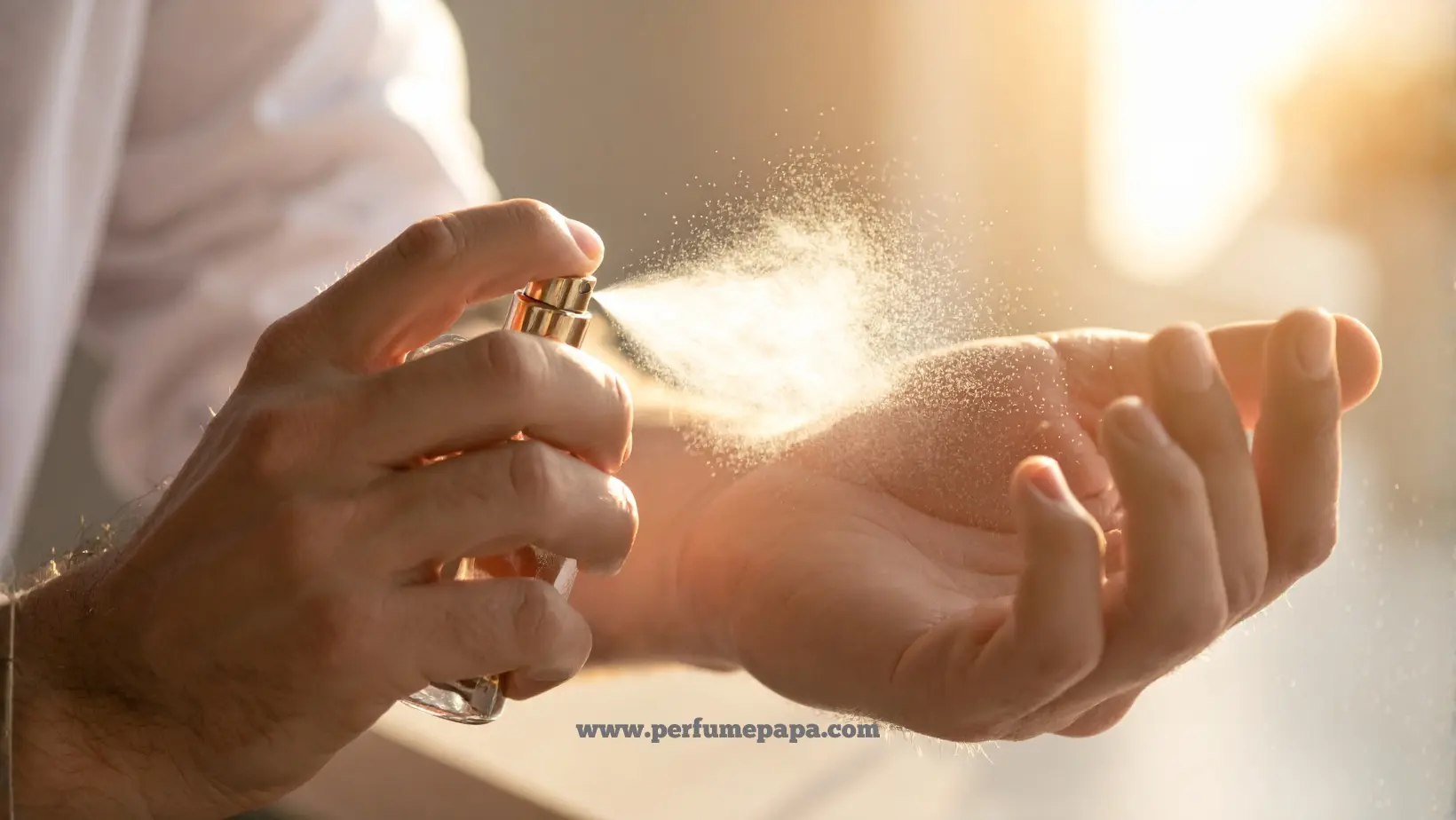
- Minimize Exposure: Apply perfume to clothing instead of direct skin, or use it sparingly.
- Support Transparency: Choose brands that are transparent about their ingredients and commit to avoiding known EDCs.
Conclusion: An Evolving Conversation
The question of whether perfumes influence thyroid function is part of a larger, ongoing scientific and public health dialogue about the chemicals in our environment. While direct, conclusive evidence for perfume-specific thyroid disruption is still developing, the presence of known or suspected endocrine disruptors in many fragrances warrants attention and further research. As consumers, staying informed and making conscious choices about the products we use is a crucial step in safeguarding our health in a complex chemical world.