Introduction to the Saudi Arabian Perfume Market
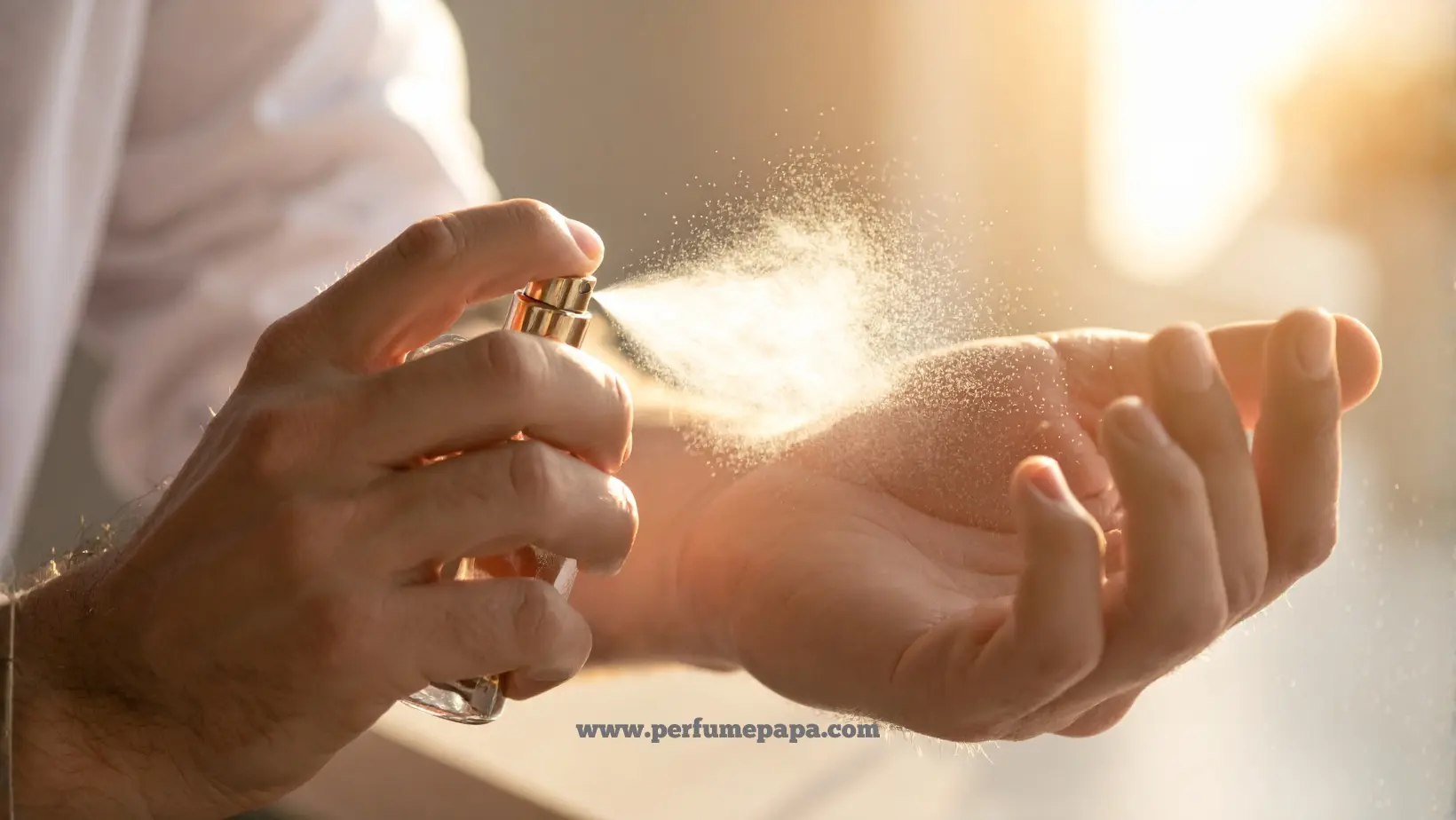
The perfume market in Saudi Arabia is a dynamic and rapidly expanding sector, deeply intertwined with the Kingdom's rich cultural heritage and a growing appreciation for luxury goods. Perfumes are not just a cosmetic product but an integral part of Saudi traditions, hospitality, and personal expression. This market is characterized by a unique blend of traditional oriental fragrances and an increasing demand for modern Western scents, creating a diverse landscape for consumers and businesses alike.
Market Size and Historical Growth
In recent years, the Saudi Arabian perfume market has witnessed substantial growth, driven by a young, affluent population and evolving consumer preferences. Historically, the market has shown consistent upward trends, propelled by factors such as increasing disposable incomes, urbanization, and the flourishing tourism sector. Consumers are increasingly willing to invest in premium and niche fragrances, signifying a shift towards more sophisticated and personalized scent choices.
Forecast 2026-2034: Key Projections
Looking ahead, the Saudi Arabia perfume market is poised for significant expansion between 2026 and 2034. Industry analysts project a robust Compound Annual Growth Rate (CAGR), indicating sustained demand and investment. This growth will be fueled by continued economic diversification, large-scale development projects like NEOM, and an expanding e-commerce infrastructure that makes fragrances more accessible across the Kingdom.
Driving Factors Behind the Growth
- Cultural Significance and Tradition: Perfumes, especially oud and traditional attar, hold profound cultural importance in Saudi Arabia, used for personal adornment, welcoming guests, and religious ceremonies.
- Rising Disposable Incomes: A growing middle and upper class with increased purchasing power fuels demand for luxury and high-end fragrances.
- Youth Demographics and Urbanization: A large youth population, highly influenced by global trends and social media, contributes significantly to new product adoption. Urbanization leads to increased exposure to international brands and modern retail experiences.
- Tourism and Hospitality Sector: The ambitious Vision 2030 targets for tourism and religious pilgrimages (Hajj and Umrah) drive demand for perfumes as souvenirs and part of luxury hospitality experiences.
- E-commerce and Digital Penetration: The rapid growth of online retail platforms and social media marketing makes a wider range of local and international brands accessible to consumers across the Kingdom.
Emerging Trends Shaping the Market
- Demand for Niche and Artisan Perfumes: Consumers are seeking unique, less common fragrances, leading to a surge in demand for niche and artisan brands that offer exclusivity.
- Growth of Oriental and Western Blends: A fusion of traditional Middle Eastern notes (oud, musk, amber) with popular Western accords (floral, citrus, gourmand) creates innovative and appealing scents.
- Sustainability and Ethical Sourcing: Growing awareness among consumers is driving demand for ethically sourced ingredients, cruelty-free products, and environmentally friendly packaging.
- Personalization and Customization: Brands offering bespoke fragrance experiences or customizable options are gaining traction, catering to the desire for individuality.
- Influence of Social Media and Influencers: Digital platforms play a crucial role in shaping consumer preferences, with influencers driving trends and product discovery.
Competitive Landscape and Key Players
The market is home to a mix of established international luxury brands and strong local players. International giants often adapt their offerings to suit regional tastes, while local brands, with their deep understanding of cultural preferences, often dominate the traditional oriental segment. The competition is intense, fostering innovation and a diverse product portfolio.
Opportunities and Challenges
- Opportunities: The market offers vast opportunities for product innovation, expansion into new consumer segments (e.g., gender-neutral fragrances), leveraging digital marketing, and investing in sustainable practices. The rise of local manufacturing also presents an opportunity for economic diversification.
- Challenges: Intense competition, the prevalence of counterfeit products, and managing supply chain complexities are notable challenges. Economic fluctuations and evolving import regulations can also impact market dynamics.
Conclusion
The Saudi Arabian perfume market is on a robust growth trajectory, driven by a unique blend of cultural heritage, economic prosperity, and evolving consumer tastes. With significant forecasted expansion between 2026 and 2034, the Kingdom continues to be a pivotal player in the global fragrance industry. Brands that understand and adapt to the local nuances, embrace digital transformation, and prioritize innovation and sustainability will be best positioned to capitalize on this vibrant and lucrative market.