The Booming Scent of Opportunity: Saudi Arabia's Perfume Market Forecast 2026-2034
Saudi Arabia stands as a powerhouse in the global beauty and personal care industry, with its perfume market representing a particularly dynamic and lucrative segment. Driven by deep-rooted cultural preferences, high disposable incomes, and a youthful population, the Kingdom's appetite for fragrances continues to grow. This article delves into the current landscape, key drivers, and a comprehensive forecast for the Saudi Arabia perfume market from 2026 to 2034, offering insights into future growth trajectories and investment opportunities.
Market Overview: A Fragrant Landscape
The Saudi Arabian perfume market is characterized by a unique blend of traditional Arabian scents and an increasing inclination towards international luxury brands. Consumers often possess extensive perfume collections, viewing fragrances as an essential part of personal identity and social etiquette. The market benefits from strong consumer spending power and a culture where gifting perfumes is highly prevalent, especially during religious festivals and social gatherings.
Key Market Drivers
- Cultural Significance: Perfumes, particularly oud and attar, are deeply embedded in Saudi culture and traditions, used for personal adornment, home fragrancing, and hospitality.
- Rising Disposable Incomes: The Kingdom's robust economy and high per capita income enable consumers to invest in premium and luxury fragrance products.
- Youthful Demographics: A large and digitally-savvy youth population is a significant driver, constantly seeking new trends and premium offerings, influenced by global fashion and beauty standards.
- Tourism and Religious Pilgrimages: The influx of tourists and pilgrims, particularly to Mecca and Medina, boosts sales of traditional and souvenir fragrances.
- Vision 2030 Initiatives: Economic diversification, increased tourism, and a focus on improving quality of life are expected to further stimulate consumer spending across various sectors, including luxury goods.
Segmentation and Evolving Tastes
The Saudi perfume market can be broadly segmented by product type, distribution channel, and consumer demographic, each exhibiting unique trends.
Product Types
- Traditional/Oriental Perfumes: Oud, musk, amber, and attar continue to dominate, valued for their heritage and rich, long-lasting scents.
- Western/International Perfumes: Growing demand for globally recognized brands, designer fragrances, and niche perfumes, especially among younger consumers.
- Luxury vs. Mass Market: While luxury fragrances hold a significant share due to consumer preferences for exclusivity, the mass-market segment also thrives, offering accessible options.
Distribution Channels
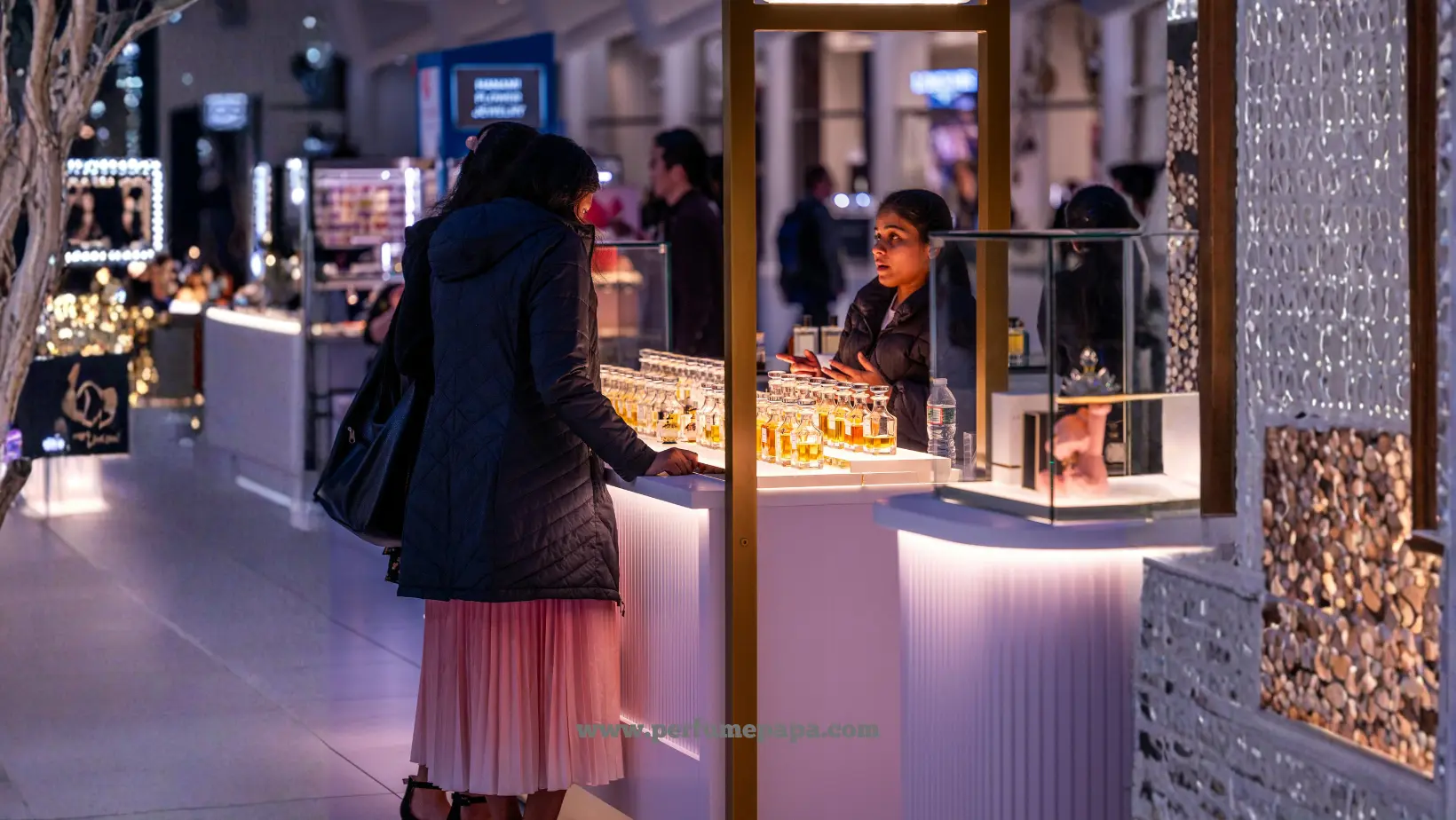
- Specialty Stores & Department Stores: Remain crucial for high-end and luxury brands, offering personalized shopping experiences.
- Hypermarkets & Supermarkets: Important for mass-market and mid-range products.
- Online Retail: Experiencing exponential growth, driven by convenience, wider product availability, and competitive pricing. E-commerce platforms are increasingly vital for reaching a broader consumer base.
Emerging Trends Shaping the Future
- E-commerce Boom: The shift towards online shopping, accelerated by digitalization and convenience, is reshaping retail strategies for perfume brands.
- Niche and Artisanal Fragrances: Consumers are increasingly seeking unique, exclusive, and personalized scents, moving beyond mainstream offerings.
- Sustainability and Ethical Sourcing: Growing awareness about eco-friendly practices and ethical sourcing is influencing purchasing decisions, with a preference for brands that prioritize these values.
- Gender-Neutral Fragrances: A subtle but growing trend towards perfumes that transcend traditional gender classifications.
- Social Media Influence: Platforms like Instagram, TikTok, and Snapchat play a significant role in dictating trends, with influencers driving brand visibility and consumer engagement.
Competitive Dynamics and Key Players
The Saudi Arabian perfume market is highly competitive, featuring both well-established international giants and robust local players. Global brands like LVMH, Coty, and Estée Lauder compete alongside prominent regional entities such as Arabian Oud, Abdul Samad Al Qurashi, and Al Haramain Perfumes. The market also sees continuous entry of niche and independent brands, adding to its vibrancy.
Challenges and Opportunities
While opportunities abound, challenges include intense competition, the need for continuous innovation to cater to evolving tastes, and managing supply chain complexities. However, the market presents immense opportunities for brands focusing on premiumization, personalization, sustainable practices, and leveraging digital marketing channels to connect with the tech-savvy Saudi consumer.
The Scent of Growth: Market Forecast 2026-2034
The Saudi Arabia perfume market is poised for robust growth over the forecast period of 2026 to 2034. Factors such as continued economic diversification under Vision 2030, increasing tourism, a growing youthful population with high discretionary spending, and the ongoing premiumization trend are expected to fuel this expansion. Both traditional and modern fragrance segments are projected to see significant upward trajectories, with particular emphasis on luxury, niche, and online retail channels. Investment in research and development, coupled with innovative marketing strategies, will be crucial for brands looking to capitalize on this burgeoning market.
Conclusion: A Promising Future for Fragrance
The Saudi Arabia perfume market is not just a commercial space; it's a cultural phenomenon experiencing dynamic evolution. With strong foundational drivers and favorable economic conditions, the market offers a compelling outlook for sustained growth. Brands that understand the nuanced blend of tradition and modernity, invest in quality and innovation, and strategically navigate the digital landscape are set to thrive in this fragrant and profitable domain.