
Introduction: A Harmonious Blend of Conservation and Craft
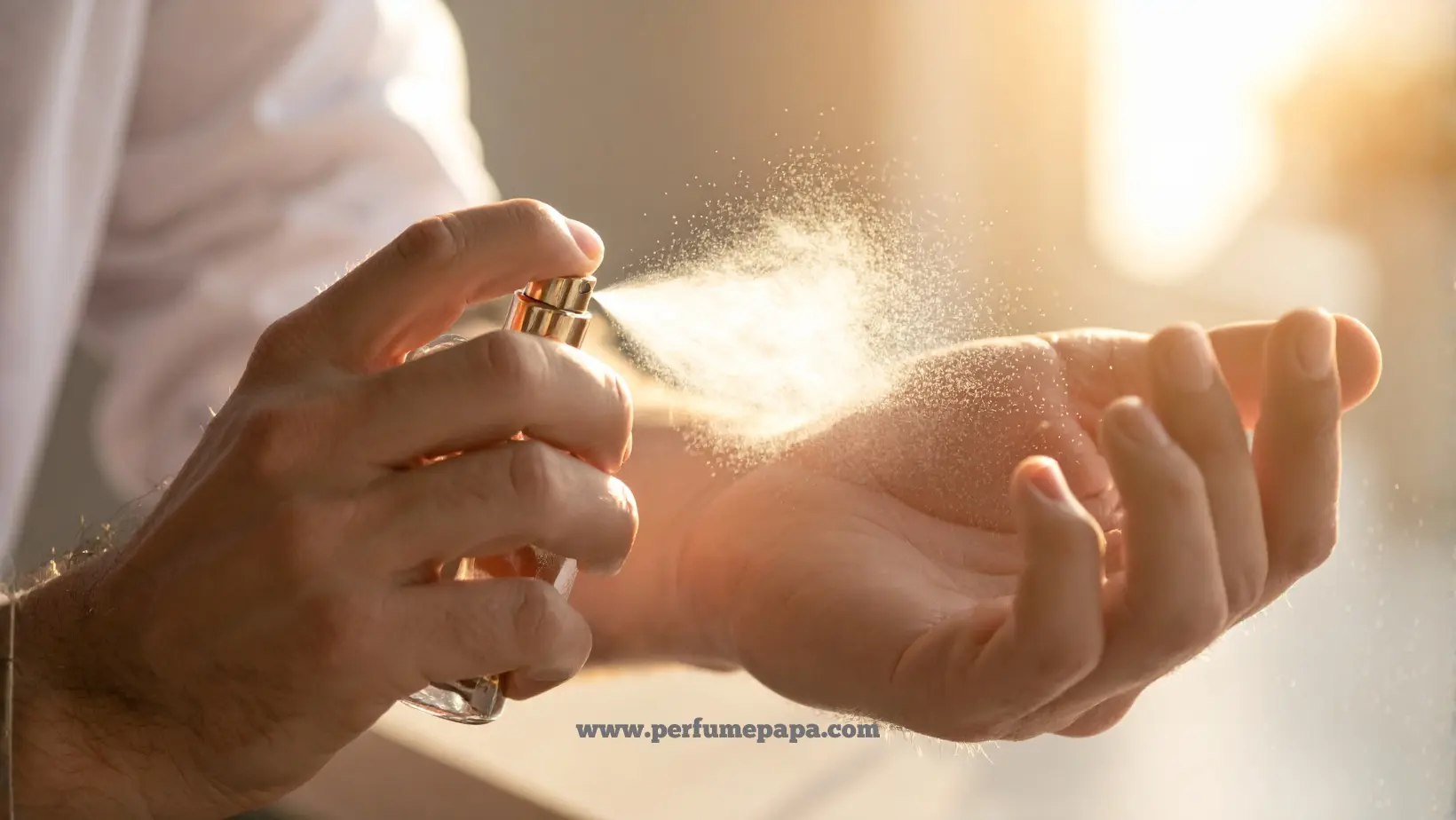
The allure of a fine fragrance often evokes images of lush gardens, exotic forests, and blooming fields. For centuries, the perfume industry has relied on nature's bounty for its most exquisite ingredients. However, this reliance has, at times, led to overexploitation and endangered species. Today, a new narrative is unfolding: conservationists and the perfume industry are joining forces, recognizing that the future of cherished scents is inextricably linked to the health of our planet's biodiversity. This collaboration represents a crucial shift towards sustainability, ensuring that the fragrances we love can be enjoyed for generations to come without compromising the natural world.
The Delicate Balance: Fragrance & Biodiversity at Risk
Why Natural Ingredients Matter
Natural raw materials offer an unparalleled depth, complexity, and authenticity to perfumes that synthetics often struggle to replicate. From the rich earthiness of vetiver to the delicate sweetness of jasmine, these ingredients are the soul of many iconic fragrances. Their unique molecular structures contribute to the evolving character of a scent on the skin, a quality highly valued by perfumers and consumers alike.
The Threat to Scented Species
Unfortunately, many of the plants and trees coveted for their aromatic compounds face significant threats. Habitat destruction, climate change, illegal harvesting, and unsustainable agricultural practices are pushing species like Indian sandalwood, vanilla orchids, and certain varieties of rosewood to the brink. When these species disappear, not only do we lose their unique olfactory contribution, but also a vital component of the ecosystem they inhabit.
Aromatic Alliances: How Collaboration Works
Recognizing the urgency, leading fragrance houses and conservation organizations are forging innovative partnerships to protect these precious resources.
Sustainable Sourcing Initiatives
- Traceability and Certification: Companies are investing in robust supply chain transparency, working directly with local communities and farmers to ensure ethical and sustainable harvesting practices. Certifications like Fair for Life or Rainforest Alliance provide assurance of responsible sourcing.
- Cultivation and Agroforestry: Instead of wild harvesting, efforts are focused on cultivating endangered species in controlled environments or integrating them into agroforestry systems that benefit both nature and local economies. This reduces pressure on wild populations and provides alternative livelihoods.
- Community Engagement: Empowering local communities with knowledge and resources to manage natural resources sustainably is key. This often includes fair wages, training, and support for conservation projects.
Research & Development for Preservation
- Botanical Gardens and Seed Banks: Partnerships with botanical institutions are crucial for researching and propagating endangered fragrant plants, creating gene banks to safeguard genetic diversity.
- In-Situ Conservation: Financial and technical support is directed towards protecting natural habitats where these species thrive, implementing projects that address deforestation and illegal trade.
- Responsible Innovation: While the focus is on sustainable natural ingredients, advancements in green chemistry also allow for the creation of eco-friendly synthetic alternatives when natural sourcing is not viable, reducing overall environmental impact.
Leading the Way: Brands and Organizations
Numerous entities are at the forefront of this movement. Leading fragrance companies are establishing dedicated sustainable sourcing programs, investing millions in conservation projects globally. Organizations like the IUCN (International Union for Conservation of Nature) and local NGOs are partnering with the industry to provide scientific expertise and implement on-the-ground conservation efforts. These collaborations are not just about protecting individual species but also about preserving entire ecosystems vital for future biodiversity.
The Future of Fragrance: Ethical & Eco-Conscious
The convergence of conservation and the perfume industry signals a promising future. Consumers are increasingly demanding transparency and sustainability, making ethical sourcing a competitive advantage rather than a mere corporate social responsibility initiative. This shift is driving innovation, encouraging greener practices, and fostering a deeper appreciation for the origins of the scents we cherish. The long-term vision is one where exquisite fragrances can be crafted from thriving, sustainably managed ecosystems, ensuring both environmental health and continued olfactive artistry.
Conclusion
The journey from a delicate flower to a beloved perfume is complex, but the path towards a sustainable future for fragrance is becoming clearer. By uniting the scientific rigor of conservation with the creative expertise of perfumery, we can protect the planet's most enchanting aromas. These partnerships are a testament to humanity's capacity to innovate and collaborate for the greater good, proving that luxury and conservation can indeed intertwine to create a beautiful, lasting legacy.