The Evolving Role of Alcohol in Modern Perfumery
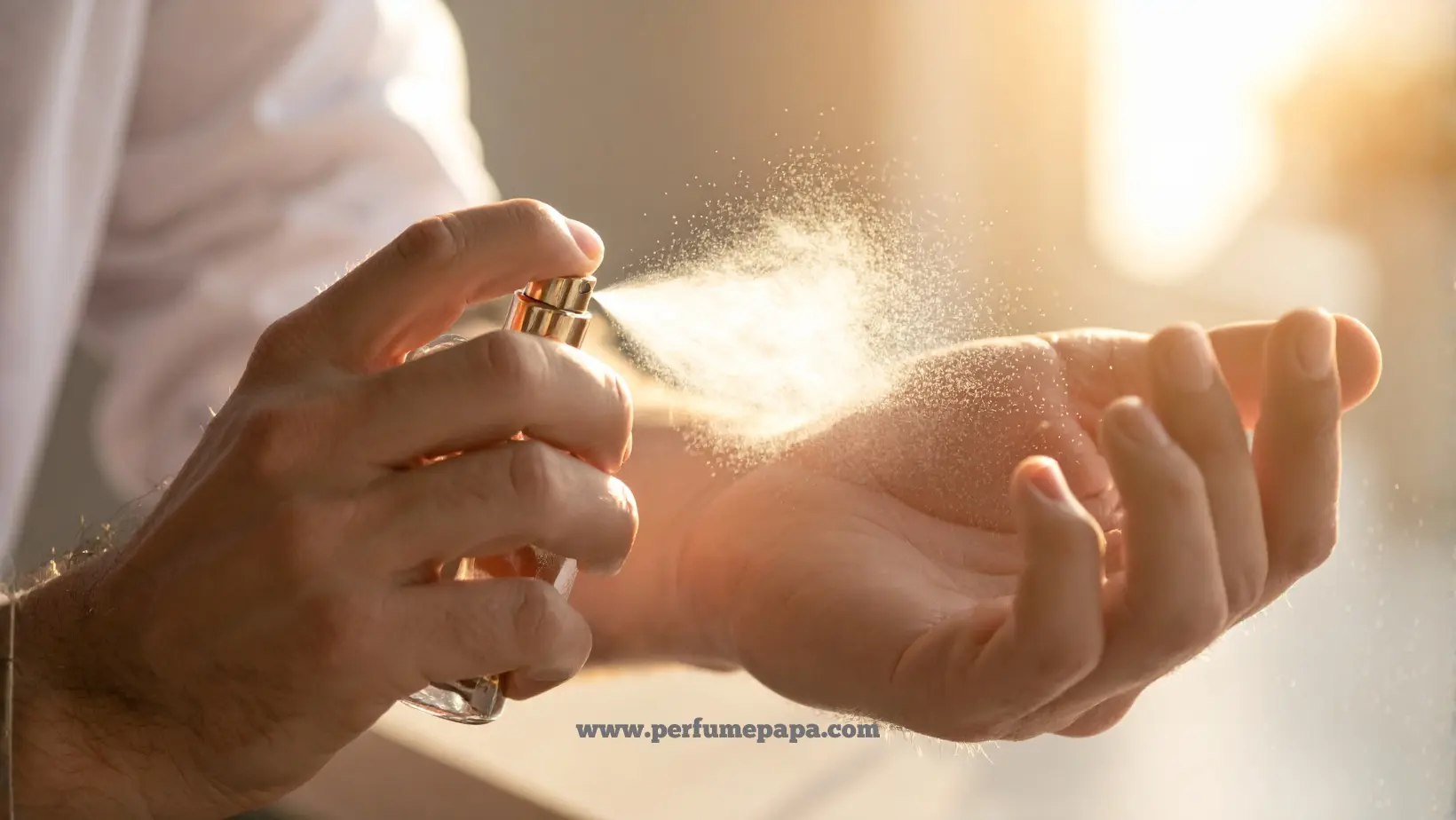
For centuries, alcohol, primarily ethanol, has been the cornerstone of liquid perfumery. Acting as a volatile solvent, it efficiently disperses fragrance oils, allowing them to bloom on the skin while evaporating quickly without residue. However, the world of perfumery is dynamic, constantly innovating to meet evolving consumer demands, scientific advancements, and sustainability goals. Recent developments are challenging the traditional dominance of alcohol, ushering in an era of diverse solvent options.
Why the Shift? Drivers Behind Perfume Alcohol Innovation
Several factors are propelling the exploration and adoption of new perfume alcohol and solvent technologies.
Consumer Demand for Skin-Friendly Options
A growing segment of consumers seeks fragrances that are gentle on sensitive skin. Alcohol can sometimes cause dryness, irritation, or an initial stinging sensation. This demand has fueled interest in hypo-allergenic and non-alcoholic formulations that offer a softer, more comfortable application.
Regulatory Landscape and Sustainability
Increasingly stringent global regulations on cosmetic ingredients, coupled with a heightened focus on environmental sustainability, are pushing brands to find alternatives. This includes exploring naturally derived solvents, bio-based ethanol, and methods to reduce the carbon footprint associated with alcohol production and transport.
Performance and Scent Profile
While ethanol is excellent, different solvents can influence a fragrance's longevity, sillage (how far it projects), and even how specific notes develop. Innovators are researching how alternative bases can optimize a scent's performance, allowing certain delicate or volatile notes to shine differently.
Traditional Ethanol: Still King, But Evolving
Ethanol remains the most widely used solvent in perfumery, valued for its efficiency and affordability. However, even within traditional alcohol-based perfumes, developments are occurring:
- Purity and Sourcing: Focus on higher-grade, ultra-pure ethanol to minimize impurities that might affect scent integrity or skin tolerance.
- Bio-Ethanol: Growing interest in ethanol derived from renewable resources, such as sugar cane or beet, as opposed to synthetic or petroleum-based sources, to enhance sustainability.
- Denaturants: Research into less allergenic or irritating denaturing agents, which are legally required to make ethanol unfit for consumption.
The Rise of Alcohol-Free Fragrances
The most significant shift in perfume alcohol developments is the burgeoning category of alcohol-free fragrances. These products utilize alternative solvent systems to deliver the scent experience.
Water-Based Formulations
Leveraging micellar technology or sophisticated emulsion systems, water-based perfumes offer a refreshing, often lighter experience. They are particularly appealing for sensitive skin and can provide a unique diffusion profile.
Oil-Based and Solid Perfumes
Utilizing carrier oils (like jojoba or fractionated coconut oil) or wax bases, these formats offer a more intimate scent experience. They often have excellent longevity and minimal sillage, adhering closely to the skin.
Plant-Derived Solvents and Alternative Glycols
Innovations include the use of natural esters, plant-derived propanediols, and other bio-solvents that mimic the properties of ethanol without the associated dryness or irritation. These often come with improved moisturizing or skin-conditioning benefits.
Impact on Fragrance Experience
The choice of solvent significantly impacts the overall fragrance experience:
- Sillage and Projection: Alcohol's rapid evaporation aids in broad diffusion, while oil or water bases might create a more subtle, skin-hugging aura.
- Longevity: While often associated with alcohol, a well-formulated non-alcoholic fragrance can offer comparable or even superior longevity, as the oils evaporate more slowly.
- Initial Scent Perception: Alcohol can initially 'lift' top notes vigorously. Alternative bases might present a fragrance more gradually, allowing for a smoother, softer opening.
The Future of Perfume Solvents
The future of perfume solvents points towards continued diversification and personalization. We can expect to see hybrid formulations, where different solvent systems are combined to achieve specific effects. Innovation will likely focus on even more sustainable, biodegradable, and skin-beneficial options, offering consumers an unprecedented choice in how they experience and wear their favorite scents.
Conclusion
The humble role of alcohol in perfumery is undergoing a profound transformation. From refined ethanol sourcing to the advent of sophisticated alcohol-free solutions, the industry is responding to a complex interplay of consumer health concerns, environmental imperatives, and the pursuit of novel olfactive experiences. These developments promise a future where fragrance is not only captivating but also more inclusive, sustainable, and tailored to individual preferences.