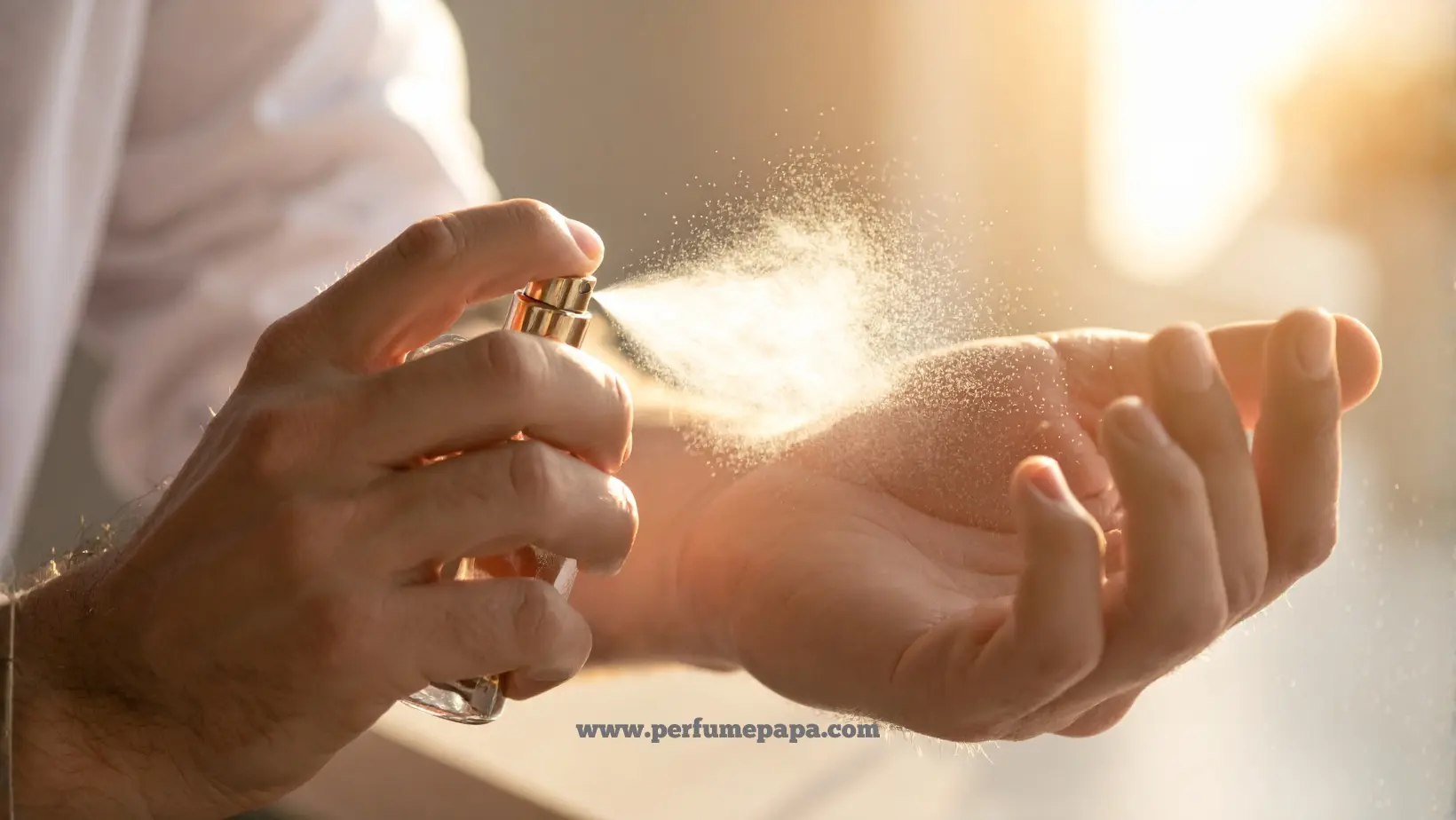

From the refreshing zest of citrus to the calming embrace of lavender, scents possess an incredible power to transport us, evoke memories, and profoundly influence our emotional state. This isn't mere coincidence; it's a testament to the intricate connection between our olfactory system and the very core of our emotions. Understanding the psychology of scent reveals how the perfumes we choose, or the aromas we encounter, can be potent tools for mood management and personal expression.
The Olfactory System: A Direct Line to Emotion
Unlike other senses, the sense of smell (olfaction) has a unique anatomical pathway. Olfactory receptors in the nose send signals directly to the brain's limbic system, an ancient part of the brain responsible for emotion, memory, and motivation. This bypasses the thalamus, which processes other sensory information before relaying it to the cortex. This direct link explains why a particular scent can instantly trigger a vivid memory or a strong emotional response, often before we even consciously recognize the smell.
- Amygdala: Processes emotions, especially fear and pleasure.
- Hippocampus: Crucial for memory formation and retrieval.
- Hypothalamus: Regulates hormones and basic bodily functions, linking emotions to physical responses.
Specific Scents and Their Psychological Impact
Research and anecdotal evidence suggest that certain fragrance families tend to elicit common emotional responses. While individual experiences can vary, these general associations are widely observed:
Uplifting and Energizing Scents
- Citrus (Lemon, Orange, Grapefruit): Often associated with freshness, cleanliness, and energy. Can reduce stress and enhance alertness.
- Peppermint: Known for boosting concentration, improving memory, and alleviating fatigue.
- Eucalyptus: Can promote clear breathing and a sense of invigoration.
Calming and Relaxing Scents
- Lavender: Widely recognized for its anxiolytic (anxiety-reducing) and sedative properties, promoting relaxation and sleep.
- Chamomile: Similar to lavender, offering calming and soothing effects.
- Sandalwood: Earthy and woody, often used in meditation for its grounding and tranquil qualities.
Comforting and Sensual Scents
- Vanilla: Universally comforting, warm, and often associated with sweetness and happiness.
- Jasmine: Rich and floral, known for its euphoric and aphrodisiac qualities, promoting confidence.
- Rose: A classic floral that can evoke feelings of love, comfort, and reduce stress.
Perfume as a Tool for Mood Regulation and Self-Expression
Understanding these connections empowers us to use perfume not just as an accessory, but as a deliberate tool. Choosing a fragrance can be an intentional act of self-care or self-enhancement:
- For Focus: A spritz of a peppermint-infused perfume before a challenging task.
- For Relaxation: A lavender or sandalwood scent for winding down in the evening.
- For Confidence: A bold, empowering fragrance for a significant presentation.
- For Joy: A bright, citrusy perfume to lift spirits on a gloomy day.
The Power of Personal Connection and Olfactory Memory
Beyond universal associations, individual experiences play a massive role. A particular scent might be linked to a cherished memory, a beloved person, or a significant event, giving it a unique emotional resonance. This personal olfactory memory makes the choice of perfume deeply intimate and powerful. The "best" fragrance for a mood is often one that holds positive personal associations.
Conclusion: Harnessing the Power of Scent for Well-being
The psychology of scent offers a compelling look into how our sense of smell profoundly impacts our emotional landscape. By becoming more attuned to the effects of different aromas, and by thoughtfully selecting perfumes and fragrances, we can consciously influence our moods, enhance our mental well-being, and express different facets of our personality. The next time you choose a perfume, remember you're not just applying a scent; you're engaging with a powerful psychological tool.