Decoding the Olfactory Signature of Opulence
The allure of the one percent extends beyond material possessions; it permeates every facet of their lifestyle, including the very air they inhabit. For many, the question isn't just about what they own, but how they curate their sensory world. When it comes to fragrance, the elite often gravitate towards an exclusive realm of luxury perfumes that are as much an investment as they are a personal statement. So, what exactly does the 'one percent' smell like?
The Hallmarks of High-End Perfumery
Luxury fragrances distinguish themselves from mainstream offerings through several key factors:
- Rare and Exquisite Ingredients: Forget synthetic fillers. High-end perfumes often feature natural extracts that are difficult to source and costly to process. Think genuine oud from Southeast Asia, precious ambergris (a secretion from sperm whales), or the purest iris root.
- Master Craftsmanship: These aren't just concoctions; they are works of art. Master perfumers, often with decades of experience, blend notes meticulously to create complex, multi-layered scents that evolve beautifully on the skin.
- Exclusivity and Limited Production: Many luxury houses produce limited batches, ensuring rarity. Some even offer bespoke services, creating a truly unique fragrance tailored to an individual's preference and body chemistry.
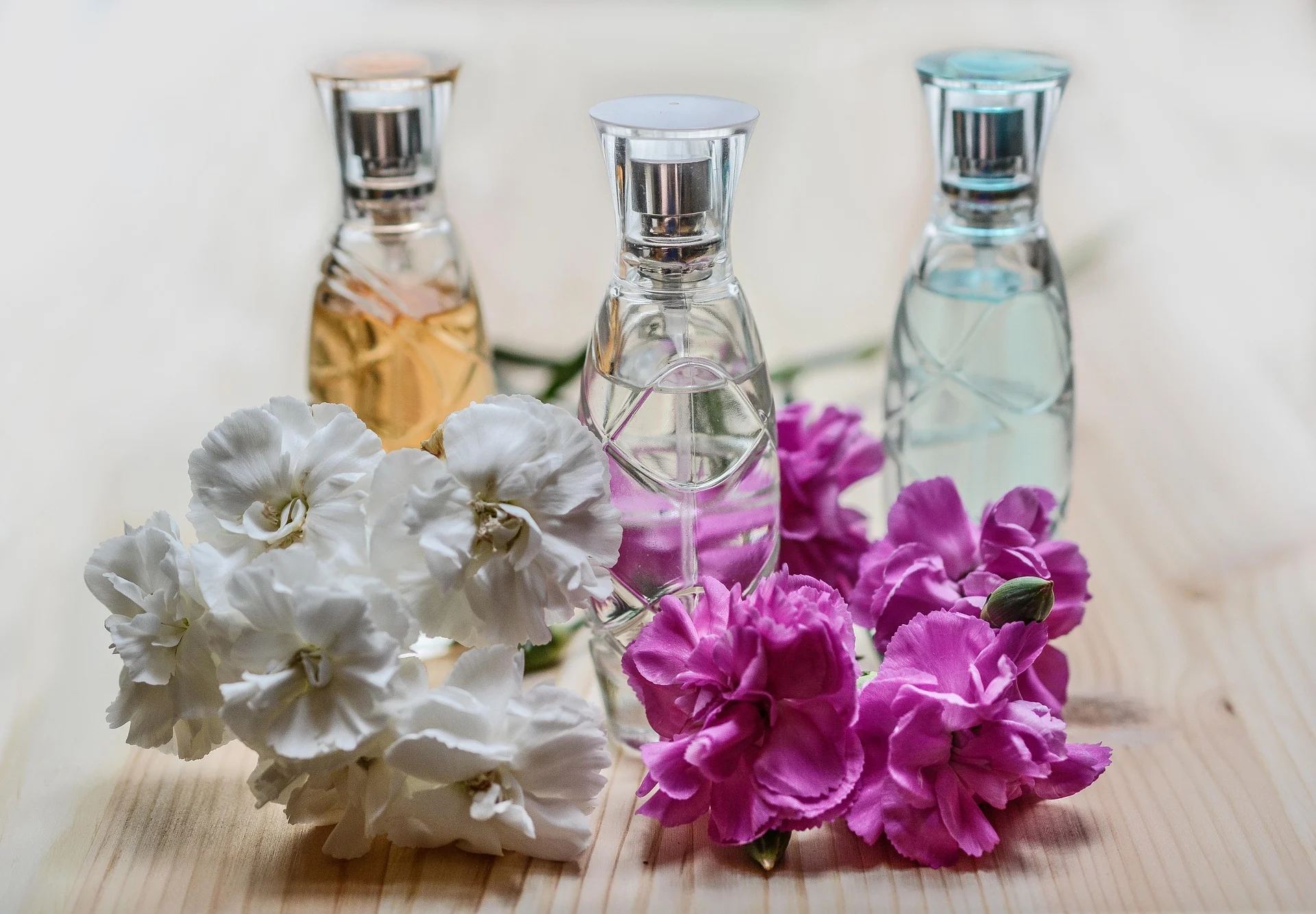
- Artistic Presentation: The bottle itself is often a collector's item, crafted from fine crystal, adorned with precious metals, or designed by renowned artists.
Signature Scents and Dominant Notes
A Preference for Depth and Sophistication
While personal taste is paramount, certain fragrance families and notes frequently appear in the collections of the affluent:
- Oud: This resinous wood, highly prized in the Middle East, offers a rich, smoky, and animalic depth. It's a cornerstone of many sophisticated unisex and masculine fragrances.
- Amber and Resins: Warm, inviting, and sensual, notes like amber, frankincense, and myrrh contribute to a powerful, long-lasting sillage.
- Rare Florals: Beyond the common rose or jasmine, luxury perfumes might feature notes of tuberose, osmanthus, or ylang-ylang sourced from specific regions for their unique nuances.
- Leather and Tobacco: These notes evoke an air of refined elegance, often blended with spices or woods for a distinguished aroma.
- Musks and Animalics: When used judiciously, these can add a primal, magnetic quality, enhancing the longevity and complexity of a scent.
The Rise of Niche Perfumery
The 'one percent' often eschew widely available designer perfumes in favor of niche brands. These smaller, independent houses prioritize artistic expression, unique concepts, and unparalleled ingredient quality over mass-market appeal. They offer a sense of discovery and individuality that mass brands cannot.
Beyond the Scent: The Experience
For the ultra-wealthy, a perfume is not merely a product; it's an experience. This includes:
- Private Consultations: Sessions with master perfumers to create a custom fragrance.
- Exclusive Launches: Invitations to private events showcasing new collections.
- White-Glove Service: Discreet and personalized shopping experiences.
The Takeaway: Aspirations and Accessibility
While true bespoke luxury may remain out of reach for most, the desire to experience and understand the 'scent of success' is universal. Many high-end luxury perfume houses now offer more accessible entry points, such as travel sizes or less concentrated versions, allowing a broader audience to glimpse the world of elite perfumery. Ultimately, the one percent's preference in fragrance speaks to a broader appreciation for artistry, exclusivity, and the power of a perfectly crafted sensory signature.