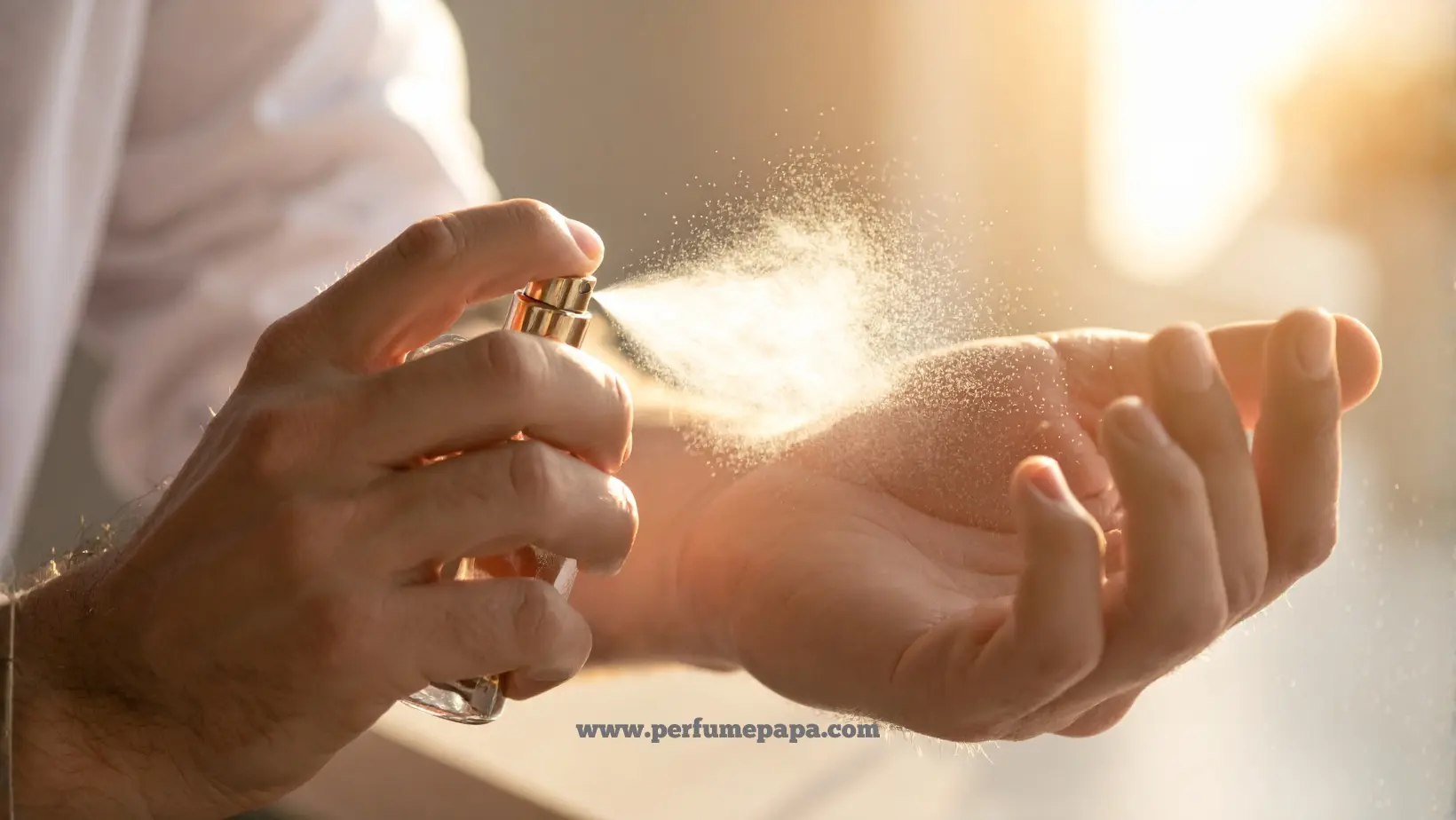

Ever wondered what gives your favorite perfume its unique character and seamless blend? The secret lies in "perfume accords." Far more than just a collection of individual notes, an accord is the very foundation of a fragrance – a meticulously balanced blend that creates a completely new, distinct scent profile.
What Exactly is a Perfume Accord?
In perfumery, an accord is a complete, balanced, and harmonious blend of two or more individual fragrance notes that, when combined, create a singular, distinct olfactory identity. Think of it like a chord in music: while individual notes are present, their combination creates something new and resonant that stands on its own.
The Art of Blending
Perfumiers carefully select and combine different raw materials – essential oils, absolutes, aroma chemicals – in precise ratios to form an accord. The goal is to achieve perfect synergy, where no single note dominates but rather contributes to a unified scent. This takes immense skill, creativity, and a deep understanding of how different molecules interact.
More Than Just Notes
While a perfume is often described by its top, middle (heart), and base notes, these notes themselves are often complex accords. For example, a "rose note" in a perfume might not be just pure rose absolute but a sophisticated accord of several components designed to mimic, enhance, or even reimagine the smell of a rose, giving it depth, freshness, or a certain facet.
Why Perfume Accords Are Crucial for Fragrance
Accords are not just an aesthetic choice; they are fundamental to a perfume's structure, longevity, and overall appeal.
Creating Olfactory Harmonies
- Balance and Cohesion: Accords ensure that a fragrance doesn't smell like a chaotic mix of individual ingredients but rather a smooth, evolving composition.
- Complexity and Depth: They allow perfumers to build intricate scent profiles that unfold beautifully over time, revealing different facets.
Ensuring Longevity and Sillage
A well-constructed accord helps to anchor the more volatile top notes, ensuring the fragrance has a consistent and lasting presence (longevity) and projects effectively (sillage).
Defining a Fragrance's Character
Accords are the building blocks of olfactive families. The iconic "Chypre" or "Fougere" accords, for instance, define entire categories of perfumes, each with its distinctive character and signature.
Common Types of Perfume Accords
Perfumery boasts a vast array of accords, each evoking a different mood or style. Some well-known examples include:
- Floral Accord: A harmonious blend of various flower notes (e.g., jasmine, rose, tuberose) to create a bouquet or a specific flower profile.
- Chypre Accord: Traditionally built on bergamot, labdanum, oakmoss, and patchouli, creating a warm, mossy, and sometimes earthy feel.
- Fougere Accord: Often featuring lavender, coumarin (tonka bean), and oakmoss, resulting in a fresh, herbal, and slightly sweet aroma, famously used in men's fragrances.
- Amber Accord: A warm, resinous, and often sweet blend, typically including ingredients like labdanum, vanilla, benzoin, and other resins.
- Gourmand Accord: Replicating edible scents like vanilla, chocolate, caramel, or coffee.
- Leather Accord: A sophisticated blend mimicking the smell of fine leather, often using notes like birch tar, castoreum (synthetic), and various woods.
How to Identify Accords in Your Fragrances
While professional perfumers develop accords, you can start to train your nose to recognize them. Pay attention to recurring combinations of scents that seem to work together seamlessly. Do you detect a consistent fruity-floral blend in several perfumes? That's likely an accord. Over time, as you explore different fragrances and their descriptions, you'll begin to recognize the signature harmonies that define them.
Conclusion
Perfume accords are the unsung heroes of the fragrance world. They are the intricate, artful blends that transform a mere collection of ingredients into a captivating and cohesive scent experience. Understanding what perfume accords are and why they matter deepens your appreciation for the artistry and complexity behind every bottle of perfume, revealing the true genius of scent creation.