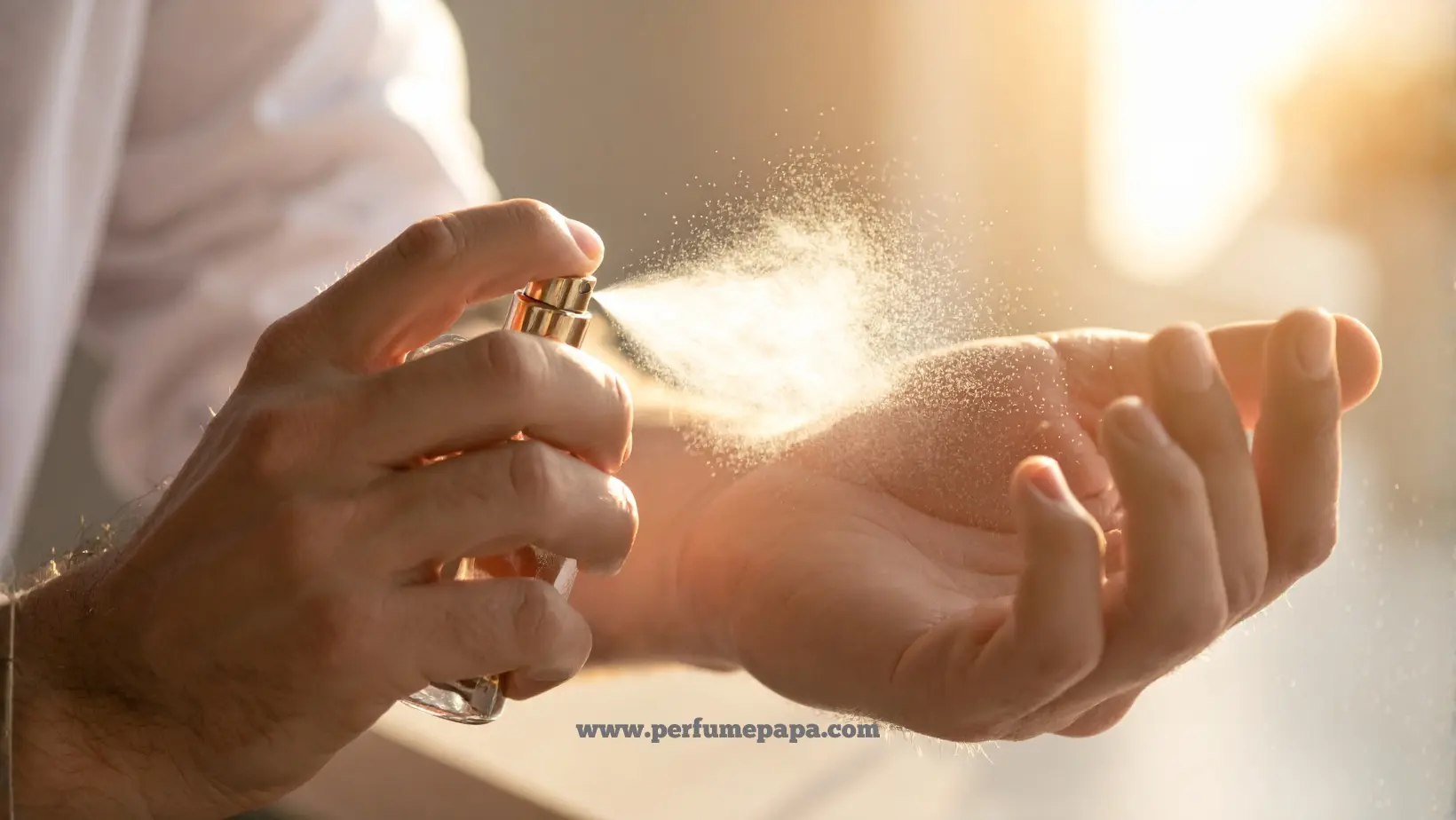

Have you ever sprayed on a perfume that smelled incredible on someone else, only to find it transforms into something entirely different—and perhaps less appealing—once it touches your own skin? You're not alone. This common phenomenon is often attributed to a mysterious interplay between fragrance molecules and an individual's unique body chemistry. Far from being an olfactory illusion, there's a fascinating science behind why your perfume smells different on your skin.
The Role of Skin Chemistry
Your skin is a complex ecosystem, and its unique characteristics play a significant role in how a fragrance evolves once applied. Think of your skin as a canvas that interacts dynamically with the oils and alcohols in your perfume.
pH Levels and Acidity
One of the primary factors is your skin's pH level. The pH scale measures how acidic or alkaline something is, ranging from 0 (highly acidic) to 14 (highly alkaline). Healthy skin typically has a slightly acidic pH, usually between 4.5 and 5.5. Variations in this pH can alter how perfume molecules react. More acidic skin might enhance certain notes, making them brighter or sharper, while more alkaline skin could soften or even mute others, sometimes leading to a "sour" or "metallic" scent.
Skin Type: Oily vs. Dry
Your skin type also plays a crucial role. Oily skin tends to "hold" fragrance better and can intensify scent. The natural oils on your skin can actually bind with perfume molecules, slowing down their evaporation and often enhancing their projection. Conversely, dry skin, which lacks these natural oils, may cause perfume to evaporate more quickly, leading to a weaker or shorter-lived scent. This is why moisturising before applying perfume is often recommended for those with dry skin.
Body Temperature
Body temperature subtly influences fragrance diffusion. Warmer skin tends to project scent more intensely and can accelerate the evaporation of top notes. Areas like pulse points (wrists, neck, behind ears) are naturally warmer due to blood flow, making them ideal spots for perfume application as they help to diffuse the scent effectively throughout the day.
Beyond Skin: Other Influencing Factors
While skin chemistry is paramount, several other internal and external factors contribute to the unique way a perfume presents itself on you.
Diet and Lifestyle
What you consume can affect your body's natural scent and, by extension, how perfume interacts with it. Spicy foods, garlic, onions, and even certain medications can excrete through your pores, subtly altering your skin's aroma. Similarly, habits like smoking or excessive alcohol consumption can also impact your natural body odor and how a fragrance develops.
Hormonal Fluctuations
Hormones are powerful chemical messengers that influence countless bodily functions, including skin chemistry. Changes related to menstrual cycles, pregnancy, menopause, or even stress can alter your body's pH and oil production, leading to noticeable differences in how your favorite perfume smells from one day to the next.
Medications
Certain medications can change your body's internal chemistry, affecting everything from your sweat composition to your skin's pH. These changes can subtly, or sometimes dramatically, impact the way a perfume interacts with your skin and its ultimate scent profile.
Understanding Fragrance Composition
It's also important to remember that perfumes themselves are complex blends, designed to evolve over time.
Top, Middle, and Base Notes
- Top Notes: These are the initial scents you smell, light and fresh, but they evaporate quickly (e.g., citrus, light florals).
- Middle (Heart) Notes: These emerge after the top notes fade, forming the "heart" of the perfume (e.g., heavier florals, spices).
- Base Notes: These are the longest-lasting and heaviest notes, providing depth and longevity (e.g., woods, musk, vanilla).
Your skin chemistry interacts differently with each layer, influencing how quickly they appear and how long they linger, creating your unique scent journey.
Synthetic vs. Natural Ingredients
The type of ingredients used in a perfume can also play a role. Natural ingredients, derived from plants and animals, tend to be more volatile and reactive to individual skin chemistry. Synthetic molecules, on the other hand, are often more stable and can smell more consistent across different people, though they still interact with your skin's unique properties.
Tips for Finding Your Perfect Scent
- Test on Your Skin: Always test a perfume directly on your skin, ideally on a pulse point, and wear it for several hours to experience its full development.
- Moisturize: If you have dry skin, applying an unscented lotion before your perfume can help it last longer and develop more truly.
- Consider Your Diet: Be mindful of how certain foods might affect your natural scent.
- Don't Rub: Rubbing your wrists together after applying perfume can crush the molecules and alter the scent.
- Experiment: Don't be afraid to try different scents, even those outside your usual preference, as your body chemistry might surprise you.
Conclusion
The way a perfume smells on your skin is a deeply personal and dynamic experience, influenced by a symphony of factors including your skin's pH, type, temperature, diet, hormones, and even medications. Instead of being a flaw, this variability is what makes fragrance such a unique form of self-expression. By understanding these interactions, you can better navigate the world of perfumery and find scents that truly sing in harmony with your individual chemistry.